Why CAD to BIM Conversion is Essential for Design Accuracy
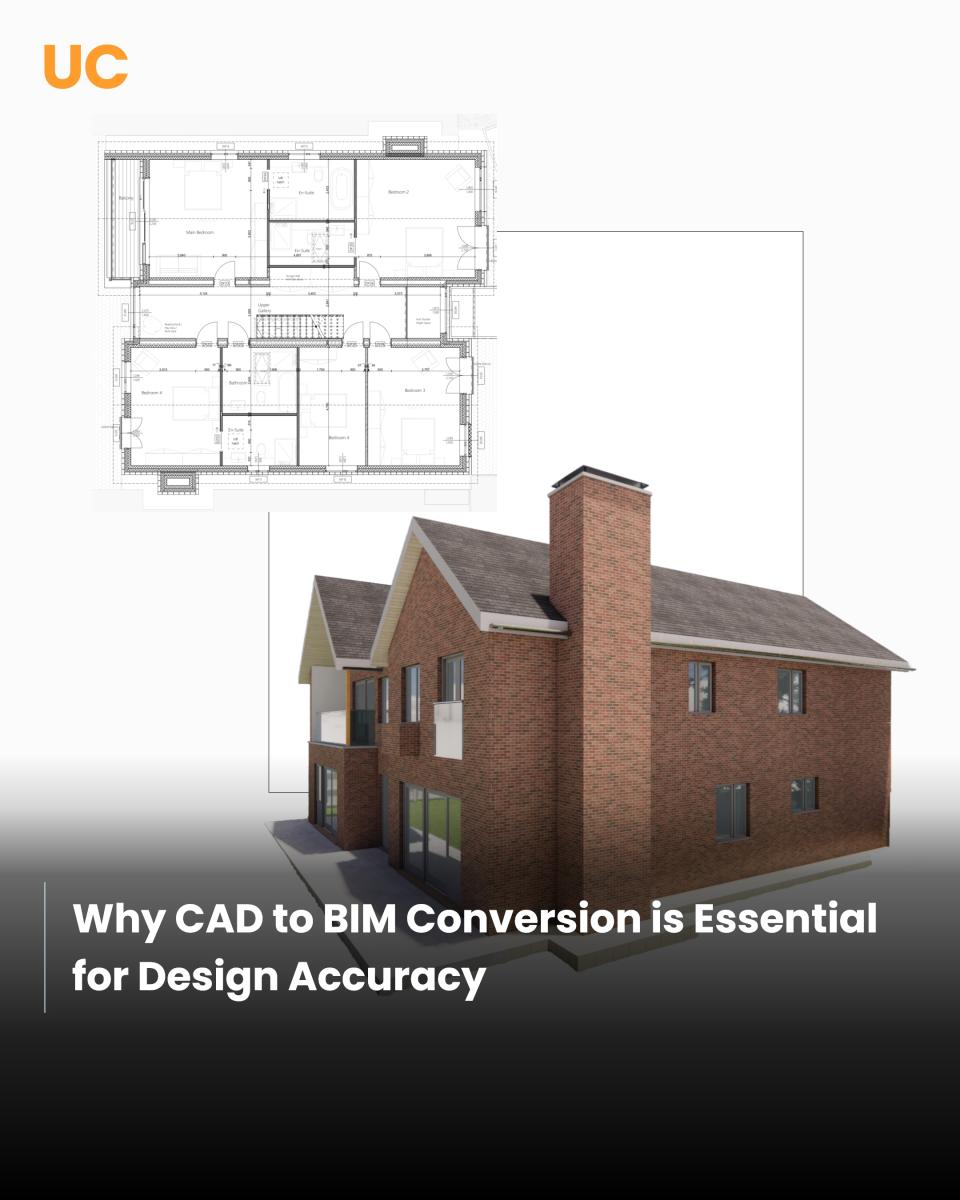
CAD to BIM conversion is essential for design accuracy because
it transforms simple 2D drawings into intelligent, data-rich 3D models.
This process provides a single source of truth for all project
stakeholders, which minimizes errors, reduces rework, and enables better
visualization and collaboration throughout a project's lifecycle. How BIM improves design accuracy
- Reduced errors and inconsistencies: Traditional CAD relies on separate 2D drawings, which can lead to misinterpretations and discrepancies between different views and documents. By contrast, BIM uses a dynamic model where any changes are automatically reflected across all aspects of the design, ensuring consistency and accuracy.
- Enhanced visualization: The comprehensive 3D models created during the CAD to BIM conversion provide a more realistic and detailed representation of the final building. This enhanced visualization helps project stakeholders, including clients, better understand complex designs and identify potential flaws early in the design phase.
- Early clash detection: BIM software has automated clash detection capabilities, which identify conflicts between different building systems—such as HVAC ducts running into structural beams—before construction begins. This proactive approach helps resolve costly issues virtually, preventing expensive delays and rework on the job site.
- Improved collaboration: BIM creates a centralized platform for information sharing among architects, engineers, contractors, and other teams. Real-time access to the same, current model ensures all parties are on the same page, reducing miscommunication and streamlining workflows.
- Data-rich models: Unlike CAD, which primarily contains geometric data, a BIM model includes detailed information about materials, quantities, cost, and scheduling. This data enables automated quantity takeoffs and more precise cost estimations, ensuring better financial planning and management.
Read More: CAD to BIM Conversion
2 people like it


Comments