What is Clash Detection in BIM and Why It's Essential for Construction Projects
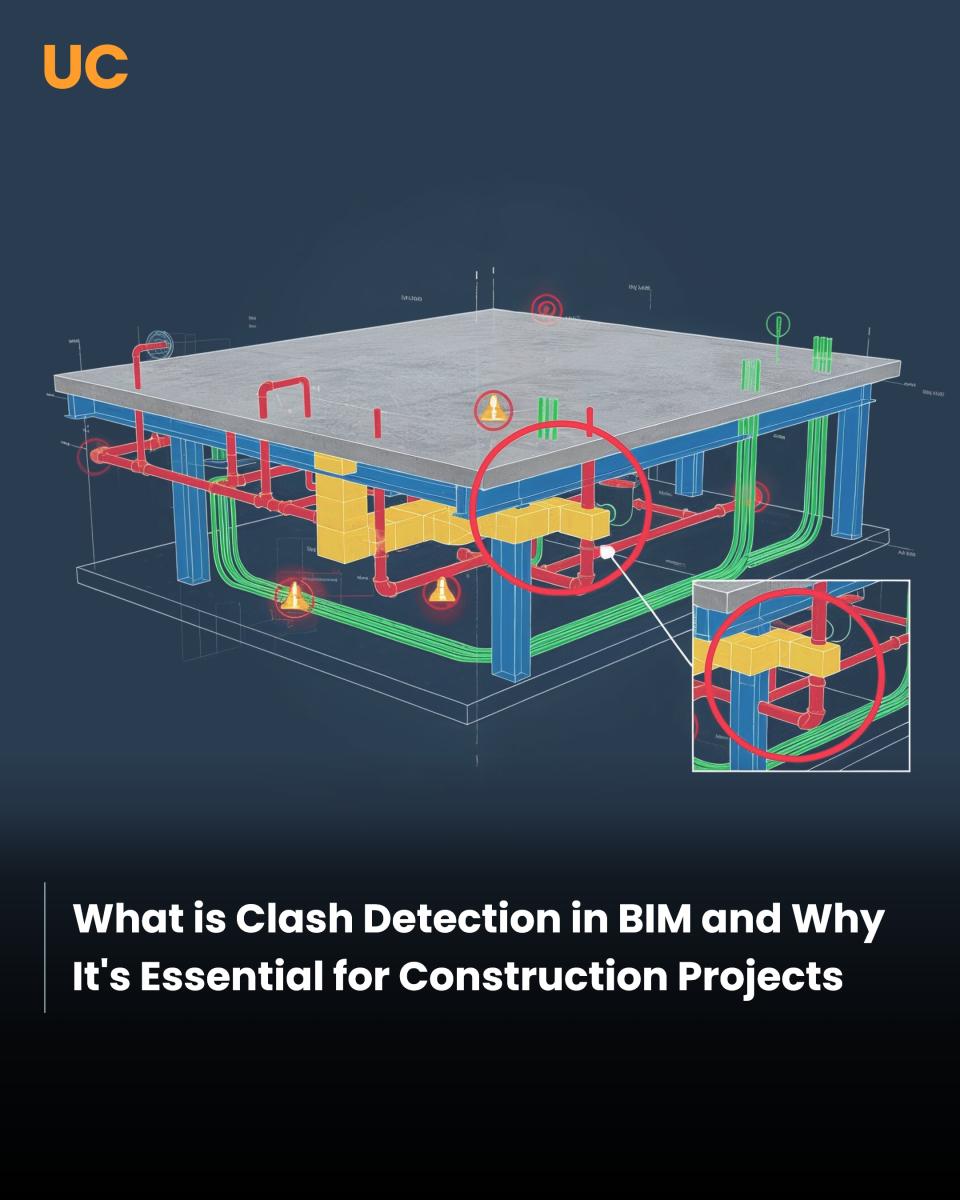
Clash Detection in BIM is the process of identifying and resolving conflicts or clashes in a construction project before they occur on-site. These clashes can be between different building systems, such as structural, mechanical, electrical, and plumbing components. Here’s why clash detection is essential:
1. Types of Clashes:
- Hard Clashes: Physical overlaps between components, e.g., a duct running through a beam.
- Soft Clashes: Space conflicts where components infringe on required spatial tolerances, e.g., maintenance access zones.
- Workflow Clashes: Scheduling conflicts where the timing of installations overlaps incorrectly.
2. Benefits of Clash Detection:
- Cost Savings: Identifying and resolving clashes during the design phase reduces costly on-site modifications and delays.
- Improved Collaboration: Facilitates better communication and coordination among different stakeholders (architects, engineers, contractors).
- Enhanced Efficiency: Streamlines the construction process by ensuring that all components fit together as planned.
- Risk Mitigation: Reduces the risk of project delays and safety hazards by addressing issues early.
- Quality Assurance: Ensures higher quality of the final construction by minimizing errors and rework.
3. Clash Detection Tools in BIM:
- Navisworks: Integrates with various BIM software to provide comprehensive clash detection and resolution.
- Revit: Offers built-in clash detection features and integrates with other Autodesk tools.
- Solibri Model Checker: Provides advanced clash detection and quality assurance capabilities.
4. Process of Clash Detection:
- Model Integration: Combine models from different disciplines into a single federated model.
- Clash Identification: Use BIM software to automatically detect clashes.
- Clash Review: Analyze and prioritize clashes based on severity and impact.
- Clash Resolution: Collaborate with relevant stakeholders to resolve clashes and update the model.
5. Example of Clash Detection Workflow:
| Step | Description |
|---|---|
| Model Integration | Combine architectural, structural, and MEP models into one federated model. |
| Clash Identification | Use software tools to detect physical and spatial conflicts. |
| Clash Review | Review identified clashes and categorize them based on priority. |
| Clash Resolution | Collaborate with design teams to resolve clashes and update the BIM model. |
| Verification | Run another clash detection cycle to ensure all issues are resolved. |
In conclusion, clash detection in BIM is a critical process that enhances the efficiency, cost-effectiveness, and quality of construction projects by identifying and resolving potential conflicts before they become on-site issues.
1 people like it

Comments