Membrane Switches vs Mechanical Switches
When it comes to choosing the right input technology, understanding the differences between membrane switches and mechanical switches is essential. Both have unique characteristics that make them suitable for different applications and user preferences. Let’s dive into how these two switch types compare.
Construction and How They Work
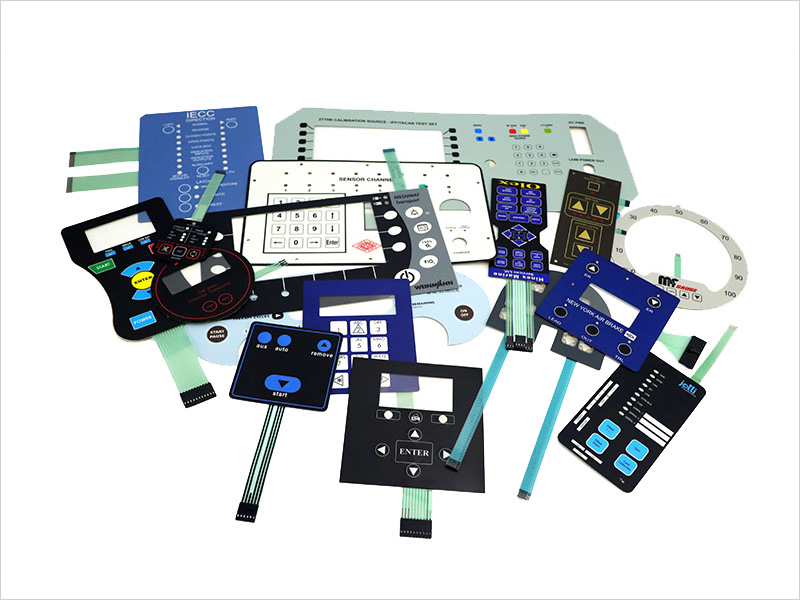
Membrane switches are made from flexible layers that include a thin membrane overlaying a printed circuit. When you press a key area, the membrane flexes to complete an electrical circuit underneath, registering the input. This design results in a slim, lightweight switch that is often sealed against dust, moisture, and contaminants.
Mechanical switches, on the other hand, consist of individual moving parts such as springs and stems beneath each key. Pressing a mechanical switch physically moves these components to close the circuit. This mechanical action provides a distinct tactile feel and often an audible click, giving users clear feedback with every press.
Tactile Feedback and User Experience
One of the most noticeable differences lies in the typing feel. Mechanical switches are celebrated for their crisp, satisfying tactile feedback and audible clicks. They come in various types—some offering smooth keystrokes, others providing tactile bumps or clicky sounds—catering to different user preferences. This feedback can improve typing accuracy and speed, especially for heavy users like gamers or professionals.
Membrane switches offer a softer, quieter experience. The rubber or silicone membrane creates a cushioned, sponge-like feel that is less precise but much quieter. This makes membrane switches ideal for environments where noise reduction is important, such as hospitals or offices.
Durability and Environmental Resistance
Mechanical switches are built to last, often rated for tens of millions of keystrokes thanks to their robust construction. However, their many moving parts can wear out over time and are more susceptible to dirt and debris, which can affect performance.
Membrane switches have fewer moving parts and are typically sealed, making them highly resistant to moisture, dust, and contaminants. While they may have a shorter overall lifespan compared to mechanical switches, their sealed design makes them more durable in harsh or dirty environments.
Size, Cost, and Maintenance
Membrane switches are thin and compact, perfect for devices where space is limited. They are generally more cost-effective to produce due to their simpler design and fewer components. Their sealed surface also makes them easier to clean and maintain, which is a significant advantage in medical, food processing, or industrial settings.
Mechanical switches tend to be bulkier and more complex, resulting in higher manufacturing costs. They require more maintenance and are more vulnerable to environmental damage because of their exposed moving parts.
Where Each Switch Shines
Mechanical switches are favored in applications demanding precise, tactile feedback—think gaming keyboards, professional typing equipment, and some industrial controls where user input accuracy is critical.
Membrane switches excel in consumer electronics, appliances, medical devices, and industrial equipment where a low-profile, quiet, sealed, and cost-effective interface is needed.
Choosing between membrane and mechanical switches ultimately depends on the specific requirements of your application and user preferences. Membrane switches offer quiet operation, durability in challenging environments, and design flexibility, while mechanical switches provide superior tactile feedback and longevity. Understanding these differences will help you select the best switch technology for your needs.
Comments