How BIM Consulting Supports Hospital Facility Projects
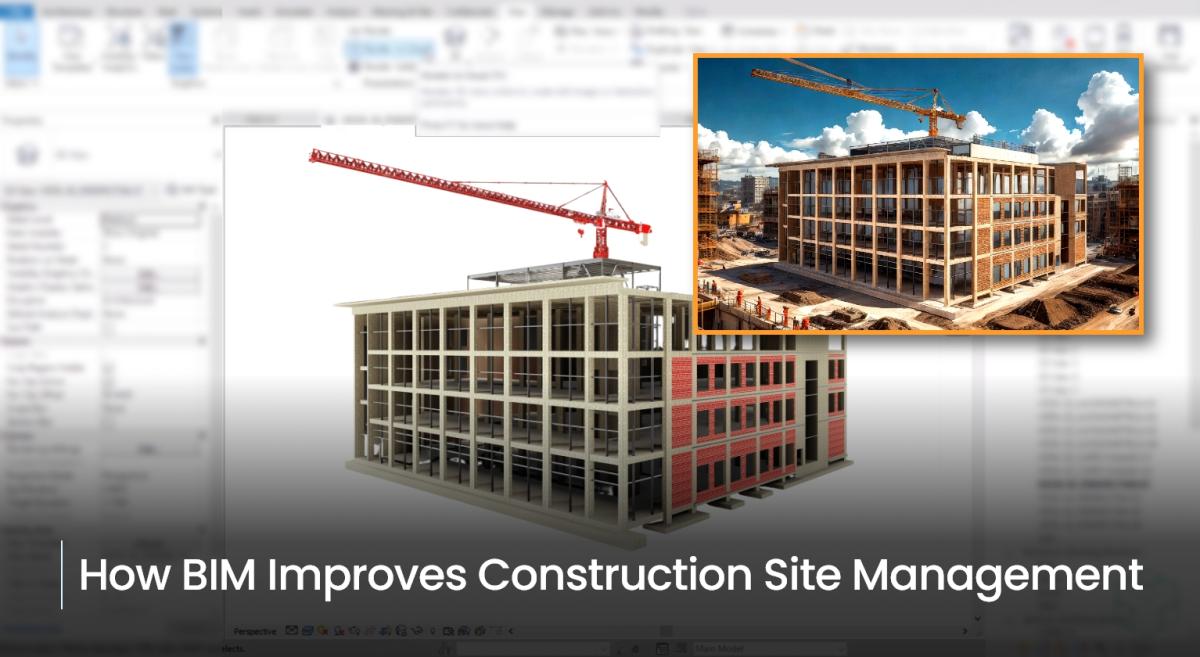
Building Information Modeling (BIM) consulting plays a transformative role in the planning, design, construction, and ongoing management of hospitals and healthcare facilities. Given the complexity, regulatory demands, and ever-evolving functional requirements of healthcare environments, BIM consulting brings significant advantages across every project phase.
Key Ways BIM Consulting Supports Healthcare Projects:
Faster, More Accurate Project Delivery
-
Accelerated Construction: BIM enables healthcare projects to be completed faster by streamlining workflows, improving scheduling, and reducing rework. This is crucial for communities with urgent healthcare needs.
-
Cost and Time Efficiency: By integrating 4D (time) and 5D (cost) BIM, consultants can help track progress and budgets in real-time, reducing construction time by up to 20% and saving up to 15% in costs.
Enhanced Collaboration and Coordination
-
Centralized Information Hub: BIM creates a single source of truth, allowing architects, engineers, contractors, and hospital administrators to collaborate seamlessly. This reduces miscommunication and ensures everyone is working with the latest information.
-
Clash Detection: Advanced tools like Navisworks enable consultants to identify and resolve design conflicts between disciplines (e.g., HVAC vs. lighting, MEP vs. structure) before construction begins, minimizing costly errors and delays.
Optimized Functional Layouts and Space Utilization
-
Patient-Centric Design: BIM enables detailed 3D modeling and simulation of hospital workflows, allowing consultants to optimize layouts for patient comfort, staff efficiency, and accessibility.
-
Modular and Flexible Spaces: BIM facilitates the design of modular spaces, enabling easier expansion or repurposing of areas as healthcare needs evolve.
Improved Visualization and Stakeholder Engagement
-
Virtual Walkthroughs: Consultants use BIM to create immersive 3D visualizations, helping stakeholders—who may not be design experts—better understand and approve complex hospital plans.
-
Scenario Simulation: BIM enables consultants to simulate various operational scenarios, facilitating the optimization of circulation paths, emergency response times, and equipment access.
Regulatory Compliance and Risk Mitigation
-
Meeting Stringent Standards: Hospitals must comply with strict safety, infection control, and accessibility regulations. BIM consulting ensures that every detail meets these requirements by providing detailed as-built models and compliance tracking.
-
Future-Proofing: BIM models capture all project data, making it easier to plan for future renovations, expansions, and technology upgrades while maintaining compliance.
Lifecycle Management and Facility Operations
-
Digital Twins: BIM consulting sets the foundation for smart hospital management through digital twins, supporting ongoing maintenance, equipment tracking, and operational optimization long after construction is complete.
-
Warranty and Asset Management: BIM models store warranty and maintenance data for all building components, simplifying facility management and reducing long-term costs.
Sustainability and Energy Efficiency
-
Energy Modeling: BIM enables consultants to simulate lighting, HVAC, and energy usage, supporting the design of energy-efficient hospitals and reducing operational costs.
-
Material Optimization: Accurate material take-offs and waste reduction are achieved through detailed BIM models, supporting green building initiatives.
Summary Table: BIM Consulting Benefits for Healthcare Projects
| Benefit Area | BIM Consulting Impact |
|---|---|
| Speed & Cost | Faster delivery, reduced rework, real-time cost tracking |
| Collaboration | Centralized models, clash detection, and real-time updates |
| Design Optimization | Patient-centric layouts, modular/flexible spaces, workflow simulation |
| Visualization | 3D walkthroughs, scenario analysis, and better stakeholder engagement |
| Compliance & Risk | Regulatory tracking, as-built documentation, and risk mitigation |
| Lifecycle Management | Digital twins, asset/warranty management, and future-proofing |
| Sustainability | Energy modeling, material optimization, and support for green building standards |
Conclusion
BIM consulting is essential for hospital and healthcare facility projects due to the sector’s complexity and high stakes. It ensures efficient, compliant, and patient-centered facilities by improving every aspect of project delivery—from design and construction to long-term operations and sustainability.
Related: How BIM Consulting Supports Hospital and Healthcare Facility Projects
Comments