Key Benefits of MEP BIM for Competitive Advantage
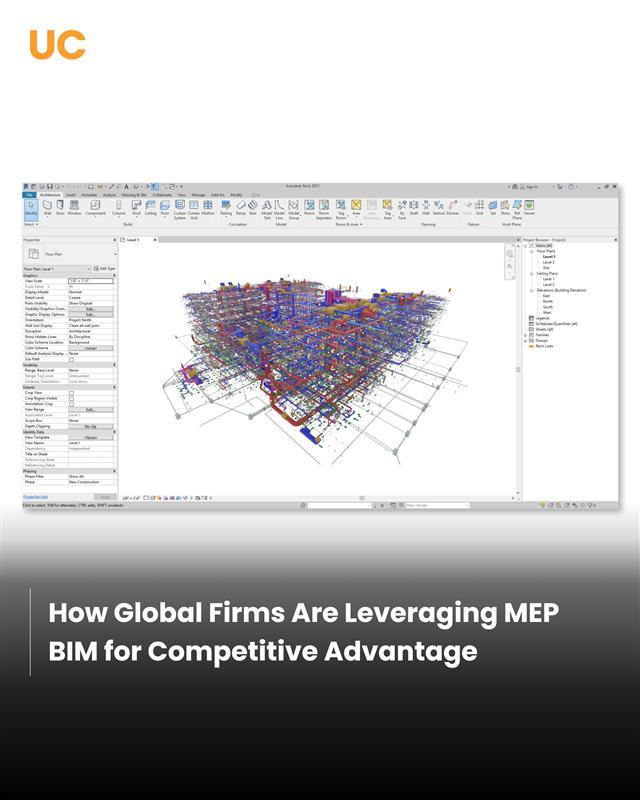
MEP BIM offers a multitude of advantages that can be leveraged to gain a competitive edge in the construction industry.
- Enhanced Collaboration and Communication: BIM creates a centralized, shared digital model that all stakeholders can access, ensuring everyone works with the same information. This improves communication, reduces errors, and increases overall efficiency by allowing architects, engineers, and contractors to collaborate seamlessly.
- Improved Accuracy and Reduced Errors: BIM allows for the creation of highly accurate 3D models that detail every aspect of MEP systems. This visualization helps eliminate errors and reduces the likelihood of costly clashes between different systems during construction.
- Cost and Time Savings: By identifying and resolving potential issues in the virtual model before construction begins, BIM significantly reduces the need for rework and on-site modifications. This leads to substantial cost savings and faster project completion. Research indicates that BIM can reduce MEP project costs by an estimated 20-30% and boost productivity by up to 58%.
- Improved Quality and Safety: The ability to simulate the installation and operation of MEP systems in a virtual environment allows designers to identify and mitigate potential safety hazards before they occur on the job site. This proactive approach leads to improved quality, reduced rework, and a safer working environment.
- Sustainable Design: BIM facilitates the design of energy-efficient and sustainable buildings. It allows for real-time simulations of systems like HVAC to predict energy consumption and optimize performance. This helps achieve green building certifications like LEED and reduces a building's long-term operational costs.
- Streamlined Prefabrication: BIM models can be used to create precise, detailed drawings for off-site prefabrication of components. This reduces construction time, enhances quality control, and improves overall project efficiency, especially for complex projects.
Real-World Applications and Case Studies
The benefits of MEP BIM are best illustrated through real-world case studies. These examples demonstrate how BIM has been successfully applied to various types of projects to achieve significant results.
- Penn State Lancaster Medical Center: This project showcases how BIM prefabrication can deliver substantial savings. The mechanical and plumbing contractor used BIM to design components off-site, resulting in a 20% faster schedule and 30% labor savings. This approach also led to safer installations and reduced costs.
- Google Kirkland Campus, USA: For a new 2-storey office building, a BIM model was created from point cloud data to coordinate HVAC and plumbing services. This ensured a clash-free design, which is critical when integrating new construction with an existing campus.
- Ft Bliss Clinics, Texas, USA: A $1 billion medical facility project utilized AutoCAD MEP for modeling and Navisworks for coordination and clash detection. This process ensured that all MEP systems were accurately detailed and integrated, crucial for a complex healthcare facility.
Future Trends in MEP BIM Modeling
The future of MEP design is being shaped by emerging technologies that further enhance the capabilities of BIM. Staying ahead of these trends is key to maintaining a competitive advantage.
- Digital Twins: Virtual replicas of physical assets that allow for predictive maintenance, real-time performance monitoring, and energy optimization.
- Artificial Intelligence (AI) and Machine Learning: AI can analyze data to predict equipment failures, optimize energy usage, and improve building performance, enabling more proactive and efficient facility management.
- Internet of Things (IoT): IoT devices connect building systems, enabling intelligent buildings that can automatically adjust energy consumption and improve occupant comfort based on real-time data.
- Sustainable and Green Design: A continued focus on net-zero energy buildings, renewable energy integration, and water conservation technologies will be crucial for meeting sustainability goals and regulations.
- Prefabrication and Modular Systems: The use of modular and prefabricated MEP systems is growing, offering efficiency, cost-effectiveness, and reduced waste by manufacturing components off-site.
By integrating these advanced technologies with BIM, firms can offer more innovative, efficient, and sustainable solutions, further solidifying their competitive position in the market.
Read More: How Global Firms Are Leveraging MEP BIM for Competitive Advantage
1 people like it

Comments