Which Foods Are Rich in Fulvic Acid?
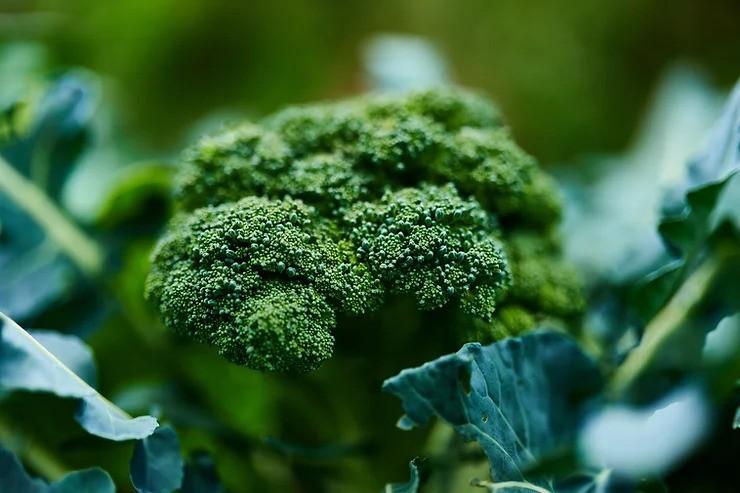
Fulvic acid, a natural compound found in the Earth's soil, plays a crucial role in enhancing nutrient absorption, boosting digestion, and supporting overall health. In an age where dietary choices are increasingly linked to health outcomes, understanding which foods are rich in beneficial components such as fulvic acid is essential.

Introduction
Fulvic acid is not just any organic compound; it's a vital component of humus, the highly nutritious part of the soil that results from decomposed organic matter. Its small molecular structure allows it to penetrate cell walls, thereby enhancing nutrient assimilation and energy production. The health benefits of fulvic acid are extensive, ranging from improved gut health and increased energy levels to enhanced detoxification and nutrient absorption. Understanding its dietary sources is thus an imperative step for those looking to harness its benefits.
Shilajit: The Powerhouse of Fulvic Acid
One of the richest known sources of fulvic acid is Shilajit. This naturally occurring substance is found predominantly in the mountainous regions of the Himalayas. Formed over centuries through the slow decomposition of certain plants by the action of microbes, Shilajit is revered in traditional medicine systems like Ayurveda for its potent health-boosting properties. It contains over 84 minerals and offers numerous health advantages, including hormonal balance, enhanced energy levels, and improved brain function.
Shilajit is commonly consumed in a resin form and can be dissolved in water or milk. It's essential to source Shilajit from reputable suppliers to avoid contaminants and ensure you are receiving the full spectrum of its benefits. To know more about the powerhouse of Fulvic Acid, visit Health West UK.
Organic Vegetables: Nutrient-Rich Sources
Organic vegetables are another excellent source of fulvic acid, particularly when they are grown in rich, undisturbed soil that has not been exposed to pesticides and other chemicals. These conditions allow the natural accumulation of humic substances, including fulvic acid. Vegetables such as spinach, asparagus, and kale are especially good sources, thanks to their deep root systems which absorb complex nutrients from the soil.
The contrast between organically and conventionally grown vegetables highlights the importance of sustainable farming practices in maintaining soil richness and nutrient density. Organic farming supports the soil's microbiome, enhancing its structure and nutrient content, which in turn boosts the fulvic acid levels in the produce grown there.
Root Vegetables: Subterranean Treasures
Root vegetables like beetroots, carrots, and radishes are potent fulvic acid carriers due to their underground growth pattern. They directly absorb fulvic acid as they come into close contact with humus-rich soil. Consuming these vegetables not only provides fulvic acid but also other essential nutrients and minerals that promote health.
The method of cooking may affect the nutrient content of root vegetables. For instance, steaming or roasting can preserve more fulvic acid and other nutrients compared to boiling. Including a variety of root vegetables in your diet can ensure a balanced intake of fulvic acid and other health-promoting compounds.
Fermented Foods: Natural Enhancement
Fermented foods undergo a natural process in which organic acids, including fulvic acid, are produced. The fermentation process enhances the bioavailability of nutrients by breaking down food components into more digestible forms. Foods such as kefir, kimchi, sauerkraut, and kombucha are not only excellent sources of fulvic acid but also probiotics, which are beneficial for gut health.
The inclusion of fermented foods in daily diets can significantly contribute to nutrient absorption efficiency and overall well-being. They provide a complex matrix of nutrients and biological compounds beneficial for health, demonstrating the interconnectedness of diet and physiological well-being.
Tea and Coffee: Surprising Sources
Interestingly, tea and coffee are notable sources of fulvic acid. These popular beverages contain trace amounts of fulvic acid naturally derived from the soil in which the coffee beans and tea leaves are grown. The presence of fulvic acid contributes to the complex flavour profiles of coffee and tea and may enhance the overall health benefits associated with these beverages.
While tea and coffee should not be relied upon as primary sources of fulvic acid, they can complement a balanced diet rich in other fulvic acid sources. Including a variety of sources in your diet ensures a robust intake of this vital compound and its associated health benefits.
The Impact of Soil Health on Fulvic Acid Content
The health of the soil is a critical factor in determining the fulvic acid content of plant-based foods. Soil that is rich in organic matter and nurtured through sustainable farming practices will invariably produce crops with higher fulvic acid levels. Conversely, soil degradation through overuse of chemical fertilizers and pesticides can deplete fulvic acid levels.
Understanding the link between soil health and fulvic acid content underscores the importance of supporting organic and sustainable farming practices. These methods not only ensure the longevity of agricultural land but also enhance the nutritional quality of the food produced.
Conclusion
Incorporating fulvic acid-rich foods into your diet is a smart approach to improving health and well-being. From the potent Shilajit to everyday organic vegetables and fermented foods, there are numerous ways to boost your fulvic acid intake. By fostering an understanding of these sources and the importance of soil health, individuals can make informed dietary choices that contribute to long-term health and vitality.
Embracing a diet rich in fulvic acid not only supports personal health but also encourages sustainable agricultural practices, thus promoting environmental health. By choosing sources like organic vegetables and sustainable shilajit, individuals support a healthier ecosystem while benefiting personally—an intertwining of human and earth health that is truly holistic.
Post Your Ad Here
Comments