Wi-Fi chip using 100 times less power under development
It comes as no surprise that our world is heavily dependent
on wireless communications. Our lives revolve around our devices, all of which
are smart and wireless ‒ our phones, computers, watches, everything. We spend
hours (sometimes days at a stretch) on these devices, using different kinds of
applications like games, functionality apps and apps to transfer
content like SmartIOApp. Needless
to say, all our devices rely on a few wireless protocols, including Wi-Fi. So
improving or optimizing one of these protocols would essentially improve the
way we interact with the device and how the devices interact with each other.
Apparently, a researcher at NASA’s Jet Propulsion Lab,
Adrian Tang, has been working with UCLA professor M.C. Frank Chang, to develop
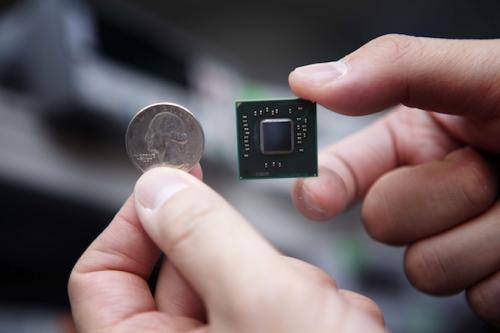
a Wi-Fi chip to be used in mobile electronics. Reports suggest that the chip
uses 100 times less power than traditional receivers. Should this research
produce expected results, it could extend battery life in basically every
device that uses Wi-Fi technology. And its application doesn’t stop there; Tang
is also looking at getting the relatively nascent market for wearables into the
mix.
Let’s talk about what the current technology does. In order
to do anything over Wi-Fi, the connected device generates and sends a signal
out to the router. After that, the router generates and sends a new signal back
to the device. The chip that Tang is working on is different in a way that a
specialized router generates the original signal, which is constantly reflected
by the chip, while imprinting data on it… meaning that the device no longer has
to generate the original signal. Since the data is imprinted on the signal when
it’s reflected, all the major effort is done at the router’s end, instead of
the device’s. According to Tang, since the device is just imprinting on a Wi-Fi
signal, rather than generating it, there is little power needed.
We know what you’re thinking. Since the chip requires low
energy, the signal strength would be low too… meaning slow connection, right?
Not really. Tang and Chang claim that the chip has been tested, and has so far
reach speeds of 330 megabits per second, which is faster than a majority of
consumer Wi-Fi routers currently in the market.
We don’t know about you, but we think this is another
interesting development in battery optimization. It is important that research
is spread across different segments of the device to make it as efficient as
possible. Longer battery life necessitates research not only in battery
technology, but also in making other aspects of the device as power efficient
as possible.
Post Your Ad Here
Comments