Why Photography Courses are required for a Successful Career
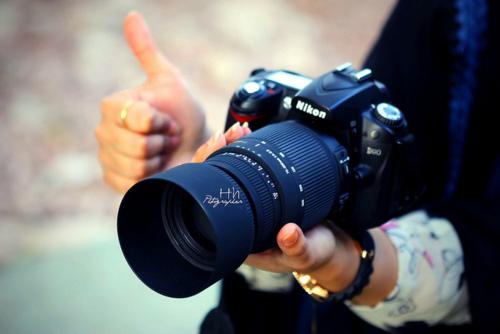
Great photography
does not result from a pile of clicks that are no more than flukes. It is an
exemplary demonstration of consistency and character throughout the work. Such
beautiful body of work which every established photographer proudly wears as
badge is the result of hard work that one does at the professional photography
courses. There is a difference in being a photographer by accident and a
photographer by choice. If you are gifted, try to get an edge over others by
earning a degree in photography and make recruiters sit up and notice.
7 core teachings
of a photography school India
There are various
interesting and untouched aspects of photography that you are surely going to
overlook if you do not learn photography with a more cognitive approach. DSLR
photography can create wonderful results when you pay attention to concepts
like:
1. Orientation: How you place the camera is going to make or break the
situation. When you have imagined the scene in your mind fully and are all set
to capture it the way you have conceived, align the camera to your imagination.
This is an art you need to learn and it comes by sheer practice. Many a times,
you must have faced this problem that the captured shot is way different that
what you saw in actual. This is a case of flawed orientation. Sometimes, flukes
happen and a great shot is captured. But to make that fluke a habit, train
under a professional and make as many mistakes as you can. You will learn
better and last like forever eternity in the business.
2. Organization: How elements are placed in respect to each other in a
frame decide the end result of the click. It is called composition. In a
photography school, you may learn to learn about composition of colors, of
sizes and of background elements that make the photo hard-hitting.
3. Depth: The Depth of field is the study that a photographer needs to
master for delivering fabulous pics each time. It is one the most easily
ignored part of study which deserves all the attention actually. There are a
number of misconception about aperture sizes, etc. but the real game lies in
choosing the correct point-and-shoot.
4. Lighting: In photography, light is actually the master and photographer
is the slave. One needs to set the schedule according to weather conditions to
get a perfect shot of nature. In studio environment too, the game is to allow
the light from the windows and other elements to play their part the way you
want them to. It all comes by continuous practice and undying determination.
Photo-editing tools are some of the easy hacks to master the amount of light,
but nothing is possible without guidance and correcting.
5. Brightness: Also, known as exposure, it means how much bright you want
your photo to look, so that it retains its natural appeal. This aspect is quite
subjective though, but the second opinion of your mentor in school can help you
improve your perspective.
So, when you got
a good DSLR camera and determination in mind to become a photographer, enroll
for a photography course for learning deep nuances of this art.


Post Your Ad Here
Comments (1)
David Decredico16
Top Digital Reviews
Interesting article, thank you.