What to Consider While Purchasing a Used Engine
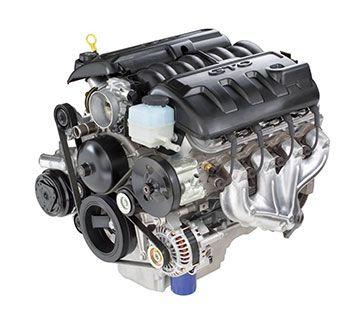
Purchasing a used engine for sale can be a cost-effective way to extend the life of your vehicle, but it requires careful consideration to ensure you get a reliable used engine and efficient product. Below is a comprehensive guide on what to consider when buying a used engine.
1. Determine Your Needs
Before starting your search, clearly identify the specific engine requirements for your vehicle:
Make and Model Compatibility: Ensure the engine matches your vehicle’s make, model, and year.
Engine Specifications: Verify the engine size, type, and any specific features required.
2. Source Reputation
Choosing a reputable source is crucial for purchasing a quality used engine:
Dealerships and Professional Mechanics: Often provide more reliable options and may offer warranties. You can also check enginesswap they provide good quality engines and also assured warranty
Auto parts store : Can be a good source but always check the engine’s condition thoroughly. BluePrism Automotive is one
3. Engine History
Understanding the history of the engine helps assess its potential lifespan:
Mileage: Lower mileage often means less wear and tear.
Maintenance Records: Look for engines with detailed service histories.
Reason for Removal: Know why the engine was taken out of the original vehicle.
4. Physical Inspection
A thorough inspection can reveal a lot about the engine’s condition:
Visual Check: Look for signs of damage, rust, or leaks.
Compression Test: Ensures the engine maintains adequate pressure.
Oil Condition: Check the oil for contamination or unusual color.
5. Engine Warranty
A warranty provides peace of mind and protection against future issues:
Duration and Coverage: Understand the length of the warranty and what parts or issues are covered.
Source of Warranty: Prefer warranties from reputable dealers or manufacturers.
6. Compatibility and Fitment
Ensure the used engine will fit and work in your vehicle without extensive modifications:
Engine Mounts: Confirm that the engine mounts align with your vehicle.
Electronic Compatibility: Verify that the engine’s electronics and sensors are compatible with your vehicle’s system.
Transmission Match: Ensure the engine is compatible with your transmission type.
7. Cost Analysis
Analyze the cost of the used engine and compare it with other options:
Price: Ensure the price is reasonable and competitive.
Installation Costs: Factor in the cost of professional installation.
Potential Repairs: Consider any additional costs for parts or repairs.
8. Seller’s Return Policy
Understand the seller’s return policy in case the engine is not as described or doesn’t fit:
Return Window: Check how long you have to return the engine.
Restocking Fees: Be aware of any fees associated with returning the engine.
Condition for Return: Ensure you understand the condition requirements for a return.
9. Vehicle Identification Number (VIN)
Checking the VIN can provide additional assurance:
Match VIN: Ensure the engine VIN matches your vehicle’s requirements.
Vehicle History Report: Use the VIN to get a history report of the engine’s original vehicle.
10. Professional Assistance
Consider getting professional help to make an informed decision:
Mechanic’s Opinion: A mechanic can provide an expert opinion on the engine’s condition and compatibility.
Engine Diagnostics: Have a professional run diagnostics to check for potential issues.
Purchasing a used engine for sale involves a detailed process to ensure you get a reliable and efficient replacement. By considering the factors outlined above, you can make an informed decision that balances cost with quality and longevity. Always prioritize sourcing from reputable sellers and verifying the engine’s history and condition before making a purchase.
Post Your Ad Here
Comments