What is the function of a Heart-Lung Machine and in what situations can it be used?
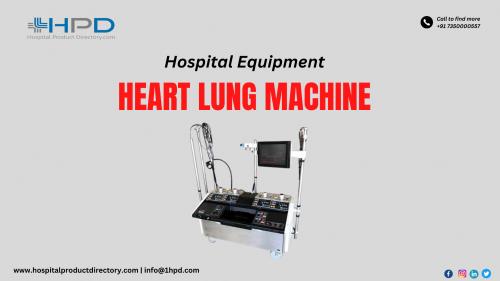
A heart-lung machine is a portion of the equipment that provisionally takes over the work of the heart and/or lungs, delivering blood and oxygen to the body. Also named a cardiopulmonary bypass machine (CBM) or a heart-lung bypass machine, it is most frequently used during grave procedures that need the heart to be stopped. Patients are sustained on a heart-lung machine supplied by Heart Lung Machine Suppliers for only as long as it takes to halt the heart from beating, finish open-heart surgery or a process on the lungs, and resume the heart.
A heart-lung machine may also be used on a being who desires heart or breathing support for non-surgical motives. For instance, the machine can be used for somebody with heart failure who is waiting for a heart transplant.
What Does the Heart-Lung Machine Do?
To halt the heart without hurting the patient, oxygenated blood must endure mingling through the body during surgery without ending. The cardiopulmonary bypass pump does the effort of the heart, driving blood through the body and making sure that the tissues of the body get the oxygen they require. The machine also enhances oxygen to the blood while taking over the impelling action of the heart, substituting the function of the lungs.
When is the Machine Used?
There are two chief motives why a heart-lung machine is used. The most common use is so the heart can be paused for surgery, but the machine can also be used to maintain people with heart failure.
Heart Surgery
Some cardiac surgeries would be unbearable to do with the heart beating, as surgical treatment would be done on a “moving target” or there would be important blood loss. A countless instance of this is a heart transplant process: The patient's heart must be detached from the body so the bequeathed heart can be put in. Without a pump to substitute the action of the heart, a heart transplant would be unfeasible.
Lung Surgery
The same is correct for some lung surgeries; there must be a method to oxygenate the blood when the lungs cannot. A lung transplant process needs an alternative way to oxygenate blood when the lungs cannot, but the heart may endure beating during the procedure.
Heart Failure
For other patients, the pump is used not for surgical treatment, but to help keep a patient active when they are suffering heart failure that would be life-ending. In some infrequent cases, a heart failure patient may be positioned on the pump to support the patient until a heart transplant becomes obtainable.
How Does the Machine Work?
The doctor ascribes special tubing to a large blood vessel (like opening a very large IV) that permits oxygen-depleted blood to leave the body and travel to the bypass machine bought from a Heart Lung Machine Dealers. There, the machine oxygenates the blood and revisits it to the body through the second set of plumbing, also committed to the body. The continuous pumping of the machine thrusts the oxygenated blood over the body, much like the heart does.
The assignment of the tubes is finalized by the partiality of the surgeon. The tubes must be positioned away from the operating site so they do not inhibit the surgeon’s work but positioned in a blood vessel large enough to house the tubing and the pressure of the pump. The two tubes safeguard that blood leaves the body before contacting the heart and restores to the body after the heart, giving the doctor a still and typically bloodless area to work.
A third tube is also implanted very near or straight into the heart, but not linked to the CPM. It is used to clear the heart with cardioplegia, a potassium mixture that stops the heart. Once the cardioplegia takes an outcome, the CBM is introduced and takes over the heart and lung purpose.
Who Activates a Cardiopulmonary Bypass Machine?
The being who runs a cardiopulmonary bypass pump is named a perfusionist. Perfusionists characteristically have a bachelor’s degree in a health-related discipline, then pursue an added two years of education training as a perfusionist.
Some perfusionists take an examination to become a specialized clinical perfusionist, which is similar to a physician being board certified in a specialty.
Dangers of Cardiopulmonary Bypass
The dangers of being on a heart and lung bypass machine supplied by Heart Lung Machine Suppliers comprise blood masses, bleeding after surgical treatment, surgical injury to the phrenic nerve, severe kidney injury, and reduced lung and/or heart purpose. These dangers are reduced with briefer times on the pump and augmented with lengthier pump times



Post Your Ad Here
Comments