What features should you look for in a Centralised Lubrication System Manufacturer?
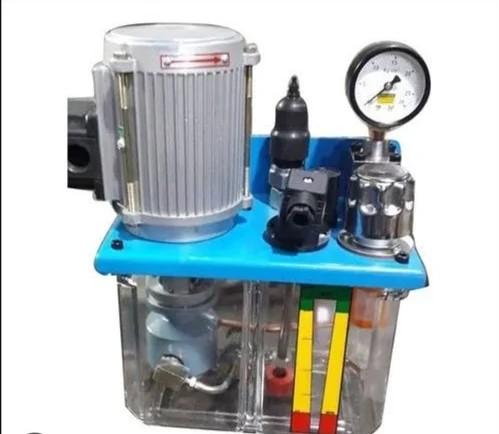

A Centralised Lubrication
System is a important
component for industries where machinery efficiency and longevity are
paramount. Selecting the right manufacturer for such systems is crucial for
ensuring smooth operations and minimising downtime. Here are key features to
consider when evaluating a centralised lubrication system manufacturer:
12 features to look for in a
Centralised Lubrication System Manufacturer
- Look for a manufacturer capable of providing customised solutions
that cater to the specific needs of your machinery. A one-size-fits-all
approach may not address the unique requirements of different industrial
setups.
- A reputable manufacturer should offer a comprehensive range of
centralised lubrication products, including pumps, injectors, controllers,
and accessories. A diverse product portfolio indicates expertise in
meeting various lubrication system needs.
- Ensure the manufacturer adheres to international quality
standards, with ISO certifications being a key indicator. Compliance with
standards signifies a commitment to delivering products that meet or
exceed industry benchmarks.
- Investigate the manufacturer's reputation and track record. A
company with a history of producing reliable and durable lubrication
systems is more likely to deliver consistent performance over time.
- Choose a manufacturer that embraces technological advancements in
centralised lubrication. Innovations such as smart systems, remote
monitoring, and automation can enhance the efficiency of lubrication
processes.
- Assess the design of the lubrication systems for user
friendliness. Easy-to-maintain systems with accessible components simplify
routine maintenance tasks, reducing downtime and associated costs.
- Opt for a manufacturer with a global presence. This ensures access
to reliable support and assistance, especially for industries with
operations spanning multiple locations.
- A manufacturer invested in customer success offers training
programmes for proper system installation, operation, and maintenance.
Adequate technical support ensures that your team can maximise the
benefits of the lubrication system.
- Ensure that the lubrication systems are compatible with the
machinery in your industrial setup. Integration capabilities are essential
for seamless operation and optimal performance.
- Evaluate the total cost of ownership rather than just the initial
purchase cost. A reliable system with lower maintenance requirements may
prove more cost-effective in the long run.
- In an era where environmental sustainability is crucial, consider
manufacturers that offer lubrication systems with eco-friendly features.
Systems designed to minimise lubricant waste contribute to both cost
savings and environmental responsibility.
- Read customer reviews and seek references from other industries
that have implemented the manufacturer's lubrication systems. Positive
feedback and successful case studies can instill confidence in the
manufacturer's capabilities.
Conclusion:
Choosing the right Centralised Lubrication
System Manufacturer involves
a comprehensive assessment of customisation capabilities, product range,
quality standards, reliability, technological advancements, ease of
maintenance, global support, technical assistance, compatibility,
cost-effectiveness, and environmental considerations. By prioritising these
features, industries can align themselves with a manufacturer that not only
provides efficient lubrication solutions but also supports long-term
operational excellence.
Post Your Ad Here
Comments