What are the various types of oil field accidents?
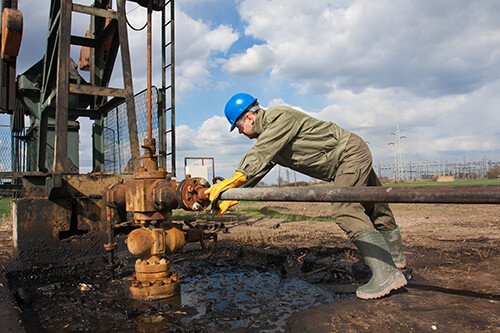
Be extremely cautious if you work in an oil field to prevent common mishaps like slips and falls. In the oil and gas sector, numerous injuries and fatalities occur. Follow safety precautions to avoid becoming a victim. When oil demand is high, some businesses will cut shortcuts, worsens the situation, and puts their commonly overworked or under trained staff, independent contractors, and well-site consultants in dangerous situations. Below listed are the different types of oil accidents:
Toxic chemical exposure:
Benzene, methane, and other hazardous chemicals are used in oil drilling and fracking. Over time, breathing in these substances can have detrimental long-term exposure effects. Personal protection equipment such as safety goggles, gloves, and respirators decrease risks from poisonous chemicals. There are harmful effects when oil and gas firms emphasize the need for production over a caution for human life. Employers should instruct staff members on handling dangerous chemicals and what to do if exposure occurs accidentally.
Slips and falls:
Severe injuries from slips and falls could end your career as an oilfield worker. Ensure you take all the steps when working on elevated rigs. Most of the time, wearing the proper protection will help you avoid fractured bones.
Gas poisoning:
Gas poisoning is another common oilfield accident. In areas with little ventilation, potentially dangerous chemicals like hydrogen sulfide can build up and poison employees. If any problems arise, you can hire an accident attorney. People exposed to this gas will feel sick, pass out, and if not treated they could die.
Falling from extreme heights:
A derrick fall has a death rate of nearly 90%. Injuries, including broken bones, brain damage, and spinal cord injuries, will remain with employees even if they live. Falls are preventable with the proper safety equipment and training, but employees are only sometimes given the required instruction.
Burns:
Explosions and fires are frequent at rigs due to the highly explosive nature of the oil, gas, and other substances. When a lot of pressure builds up, it can quickly result in an explosion, a spark, and terrible burns and scarring for nearby personnel. Burns can also result from contact with harmful substances and chemicals.
When working in the oilfield near gasses, your primary concern should always be fires and explosions. Fires or explosions may happen as a result of pressurized gasses bursting and igniting by sparks, which can result in damage.
Brain and head injuries:
Workers on oil rigs are frequently perched quite high above the ground. Falls from these heights have the potential to result in irreversible damage to the head, brain, and spinal cord, as well as paralysis. Additionally, workers frequently sustain similar injuries when struck by falling tools or equipment or when they slip or fall on the ring's slick surfaces.
Electrocution:
When working in the oilfield, you could be exposed to materials that conduct electricity, increasing your risk of electrocution. In a life-threatening incident, electrocution can result in unconsciousness, burns, or even death. Avoid exposed electrical cables at all costs. The equipment and tools used in the oil and gas industry are very heavy. Legs, arms, and other bodily parts can be readily severed if utilized improperly, dropped, or crushed by a person.
Bottom line:
Most of these fatalities happened due to transportation mishaps, collisions with large objects or machinery, or fires and explosions on the job. Workers may suffer serious injuries or lose their lives in common oilfield incidents. You must consistently proceed with great caution when working in an oilfield. You can file a workers' compensation claim for a work injury if the event occurs while you are at work.
Post Your Ad Here
Comments