What are co2 incubators used for?
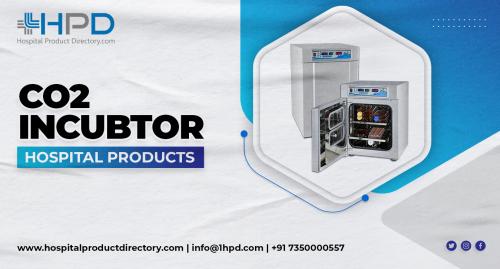
CO2 incubators play an imperative role in medical exploration wherever cell cultures have to be detected in as germ-free and careful a way as possible. They keep unwelcome microbes away from the cultures, thus providing the perfect conditions for growth. Diverse CO2 incubators bought from Co2 Incubator Dealers offer diverse means of stopping contamination in the incubation chamber.
CO2 incubators are used for:
1. Gestating human skin cells for life-saving skin implants
2. Fighting illnesses using stem cell investigation
3. Offering stem cell treatment as a feasible alternative to surgery
4. Plastic surgery, anti-aging treatments, tissue overhaul, and dermatological treatments
5. Reproducing human skin cells for remedial processes in regenerative medicine
1. CO2 incubators gestate human skin cells for life-saving skin implants
Recreating medicine is one of the most auspicious fields of modern research. Dead flesh and damaged organs can be cured by reinstating dysfunctional cells. To realize this, skin is detached from the patient, reproduced in the CO2 incubator supplied by the Co2 Incubator Dealers, and later entrenched back into the patient. This new form of treatment is of ground-breaking implications for victims with widespread burns, as the noteworthy scars which form as a consequence of traditional transplantation procedures can be evaded.
Human skin can only be fashioned with a great deal of energy and by satisfying the strictest of safety requirements. Up to now, laboratory staff had to carry out arduous cleaning events before they were allowed to enter the “cleanroom” where CO2 incubators are situated. Though, since the demand for synthetically fashioned skin cells can scarcely be met, specialists started searching for a more effective solution. They ultimately came up with the idea of directly assimilating the CO2 incubator into the isolator. This means that laboratory staff can work in the CO2 incubator room much lengthier without increasing the danger of contamination.
2. Fighting illnesses using stem cell research
Progress in stem cell research is vital for fighting illnesses and especially for cancer treatment. Stem cell treatment can be used to repair or even substitute dysfunctional cells and organs with tissues grown in vitro. As such, stem cell investigation provides the scientific basis for regenerative medicine. When it comes to managing cell cultures, sterile conditions and extreme security are of the utmost importance. Thus, your CO2 incubator must also offer an automatic purification function. This decreases the risk of possible external pollution to an absolute minimum.`
3. Offering stem cell treatment as a viable substitute for surgery
Regenerative medicine, in the form of stem cell treatment, has managed to transform research in cardiac surgery. Stem cell treatment is now progressively given preference over open-heart surgery. The method can be defined thus: tissue and cell bunches are sprouted in the CO2 incubator bought from Co2 Incubator Dealers and fixed into the patient via cell transplantation. There are two customs for fabricating these stem cells:
The patient’s cells are collected, then increased in the CO2 incubator
Living tissue such as heart valves or blood vessels are developed from the start in the CO2 incubator
The following purification process is important when broadcasting stem cells in the CO2 incubator. Preferably, your CO2 incubator will feature an instinctive hot air purification function. The purification cycle as a whole must meet the necessities of European Pharmacopoeia.
4. CO2 incubators for plastic surgery, anti-aging treatments, tissue overhaul, and dermatological treatments
CO2 incubators are also imperative tools for personalized autologous stem cell treatments. These treatments involve preparing the body's cells for use in submissions such as plastic surgery, anti-aging treatments, tissue overhaul, or dermatological and orthopedic treatments. Once the tissue has been retrieved, the stem cells are removed and isolated from it. This comes with a danger of adulteration, which is why complete sterility examinations are done in the CO2 incubator, where the cell cultures will later multiply. Concluding genetic examinations in the CO2 incubator safeguard that maximum safety is attained before the cells are rooted back into the patient.
5. CO2 incubators reproduce human skin cells for remedial processes in regenerative medicine
The query of how to treat patients with widespread heat-related injuries presents modern medicine with numerous challenges. Staff at the German Institute for Cell and Tissue Replacement (DIZG) yield autologous cell cultures to support patients in German burn centers. These skin cell uproots, which have been developed in CO2 incubators, are used on patients when 60% of their body surface is enveloped by second or third-degree burns. Frequently, regenerative medicine is the only chance for such patients to rebuild.
When constructing or increasing cell cultures, your CO2 incubator should have the lowest conceivable risk of contamination. By distinction, the fans often connected in traditional incubators, large-scale stands, and freestanding fittings often represent a high risk of pollution, which can result in an immense danger to the patient’s health.

Post Your Ad Here
Comments