Unlocking Early Potential: The Key Benefits of Preschool Education
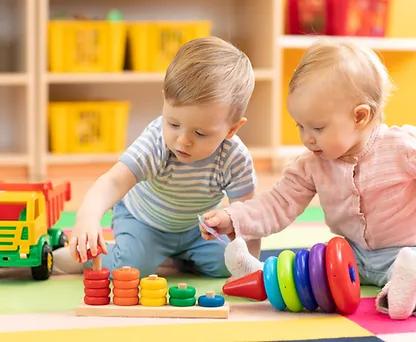
Preschool education dramatically influences the child's educational capability, psychological fitness, and social relations. It is necessary for the child's success in the future, as it creates the skills required through earlier education and lays the groundwork for their future education.
Academic Readiness
Through parental engagement in Preschool Vienna VA education, young children stand to gain an academic foundation. Preschoolers continue to work on tasks aimed at enhancing their view of themselves as learners and preparing them for learning during the subsequent years by developing their early literacy, numeracy, critical thinking, and reasoning skills. In line with this social objective, they offer nurturing, age-appropriate instructions and activities that enable students to enhance their language and science knowledge and skills in preparation for formal school education.
Social and Emotional Development
Preschool is essential for a child's social and emotional development as it has all the necessary teaching factors. It teaches students manners of addressing and dealing with fellow students, sharing, properly sharing, and managing their problems. These early social interactions assist children in the emerging manifestations of empathy, self-regulation, and language and relation in social-emotional intelligence.
Cognitive Growth
Children retain much of their world knowledge and are best transformed into active thinkers through play by enrolling them in preschool classes. The relation with the content is that providing tangible projects, original presentation of the material, and free play fosters problem-solving skills, imagination, and a positive attitude toward learning among children. They acquire knowledge on making questions, observations, conclusions, and reasoning, thus achieving a background for future learning.
Language Development
Language development is one of the crucial things in early childhood and, therefore, preschoolers. Children are in frequent contact with quality language input through participation in stories, songs, rhymes, and natural interactions with teachers and peers in childcare settings. They extend their words' differentiation, grammatical and syntactic rules, early literacy skills, counting phonemic awareness, and letters. Playground talk and activities make learning enjoyable and create interest in reading and writing skills, which are most important for academic success and interpersonal communication.
Independence and Confidence
Preschool Chantilly VA allows children to develop uncomplicatedly and be confident in their capabilities. They learn to assume responsibilities, make choices, and make decisions and resolutions on their own. As they acquire new abilities and succeed in various undertakings, their morale and capacity to perform tasks increase; therefore, they will be ready to confront other difficulties.
Preparation for Kindergarten
Preschool is a pivotal stage that lays the foundation between early homes and primary education to facilitate an easy transition to kindergarten. Pupils are to learn primary school expected behaviors, readiness for school, listening, coming to class prerequisites, and learning to share. Preschool preparation for the school and the academic environment among children help reduce stress and make it easy to transition to kindergarten.
Diversity and Inclusion
Preschools embrace and encourage diversity and inclusion since they aim to foster multiculturalism whereby young children are protected from prejudice and prejudgments about individuals from other backgrounds. The kids learn about other cultures and languages, go to school, and learn about other traditions; they no longer feel out of place. These help prepare children for the world where they must live, work, learn, and play with individuals from different cultural backgrounds and origins.
Parental Involvement
Preschool Fair Lakes education promotes parental involvement and cooperation in a child's education journey. Parents are considered associates in their child's schooling, with options to experience school exercises, workshops, and parent-teacher meetings. This partnership promotes open communication, mutual care, and shared objectives for supporting children's development and academic success.
FAQs
Q: At what years should my child begin preschool?
A: Preschool usually occurs at around the age of 3 to 5 years, though this may vary depending on the development preparedness of a particular child and the family's decision. Preschool facilities operate an admission policy that allows children at least three years of age by the beginning of the academic year.
Q: What should I explore in a preschool program?
A: When deciding on a preschool for your child, consider what is taught in the classroom, the methods used by teachers, their credentials, the number of children in the class, the environment, and non-violent overt acts. Choose an environment and a program that will meet and cater to your child's needs, strengths, and preferences.
Q: How long is a regular preschool day?
A: Preschool days vary in length depending on the program. Some preschools offer half-day sessions lasting 2-3 hours, while others offer full-day programs lasting 6-8 hours. Pick a schedule that suits your child's and your household's requirements.
Q: What is the difference between preschool and daycare?
A: Preschools concentrate on earlier childhood teaching and readiness, equipping structured education experiences and an age-appropriate curriculum. On the other hand, daycares mainly provide childcare services for working parents, with less focus on academic instruction.
Q: Do preschoolers need to be potty-trained?
A: Many preschool programs require potty training before enrolling children, while others may provide assistance and support for learning children. Check with individual preschools for their specific policies regarding potty training.
Post Your Ad Here
Comments