Types of Home Care provided in East London
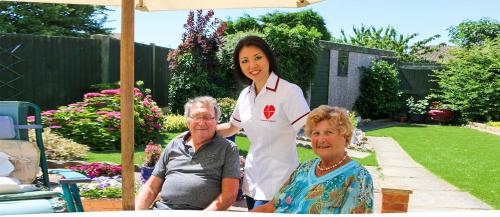
Home care provides more comfort than facility care. One of the highest employment rates is in the field of health and social care, most nurses are employed in the home care section of the field because loved ones often don’t want to be separated due to facility care. A new environment can often even be harmful in cases where the person is alone and not able to adapt to the facility lifestyle and way of things. However, many cases require shorter time of healthcare, these are common cases and come under one of the types of Health care given below.

Home Care in East London
1. Domiciliary Care
Domiciliary care is the care of the basic need; it includes the casual everyday things that a person cannot do themselves. Domiciliary care is different according to each patient and their needs, it can vary from chores, cooking, cleaning and washing clothes to the personal care of a person, such as waking up, washing, brushing, showering, etc.
2. Companionship
Companionship is a soft fort of healthcare for those who just need someone with them to talk and help when needed. Companionship can be done by volunteers as well, as you basically provide your company to someone who needs it, helps them by being there for them and listening to their words.
3. Parkinson’s Disease
Parkinson is a fast-growing disease which is like dementia and just progresses as time goes on. It can cause slow muscle movements, constant shivering or switching. A person can slowly love the control of their body as they grow older and may need her from someone as time passes on.
4. Dementia
Dementia Care should always be started out by Homecare in East London because people often just push someone with dementia off into a facility which can cause severe issues. People with dementia are forgetful and as it progresses, people with dementia need care.
5. Alzheimer’s
Alzheimer’s Disease is normally what dementia can lead up to in 90% of the cases, it is also a serious issue because Alzheimer’s progresses faster. Although in the beginning home care is good, it is important to have facility care later on in the late stages of Alzheimer’s.
6. Convalescence care
Convalescence Care is a form of physical rehabilitation from a physical injury when you accumulate an injury from a fall, accident or attack, it is important that you stay off the injured area until the wound heals and for that Convalescence care exists as well as to help with rehabilitation.
7. Palliative care
Palliative care is the care for those who slowly pass from old age and may need help in the later years of life, it is also known as End of Life Home Care. Basically it helps ease the passing of someone at the end of life through care until their last breath. Verrolyne Services recommends that this type of home care should be done after you thoroughly research a company, people in older age are vulnerable to being scammed.
8. Overnight care
Each household is different and many people need 24/7 Homecare in East London to sustain life. Others may need someone for the night as exhaustion from the day may break them otherwise. Overnight care is normally provided to those who need a nurse on the night shift.
Post Your Ad Here
Comments