Types of Hepatology Diseases
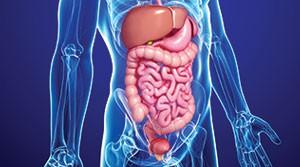
Hepatology
Hepatology is
the branch of medicine that studies, diagnosis, prevents and manages disease
like biliary tree, liver and pancreas. Hepatology is derived from the Greek
words “hepatikos” which means study of liver. Initially it was considered as
sub-specialty of gastroenterology but due to its rapid expansion in some
countries it has led doctors to specialize in the particular area and they are
called as hepatologists.
Overview
Hepatitis
affects millions of people globally. It is associated with several poor
outcomes including liver transplant and liver cancer. Particularly hepatitis B
and hepatitis C are major causes of liver cancer, while alcohol causes
conditions such as cirrhosis and other serious complications. Hepatologists
frequently deal with alcohol related liver diseases and viral hepatitis.
Liver filters
our blood and eliminates drugs, alcohol and other toxins from the body we come
in contact with. Our blood passes from the digestive filter through liver where
the liver converts sugars and carbohydrates into glycogen and stores it. It
later reconverts it to glucose to give the body energy when the body needs it.
The liver
produces bile which aids in digestion and absorption of fats. Liver also makes
proteins which are important for clotting of blood and various other functions.Because
of all the functions the liver performs, when liver diseases are developed the
whole body gets affected. Liver is one such organ that has capability to
regenerate in the body which makes it is so important to detect and treat liver
disease early.
Common Hepatology diseases:-
1. Liver
- Liver failure is caused by many factors such as consuming excessive amount of alcohol, infection or any genetic diseases.
- Cirrhosis is a slowly progressing liver disease. Where healthy liver tissues are replaced with scar tissue and the liver is unable to function properly.
- Liver cancer is another disease caused by alcohol abuse, genetic or chronic infection.
- Ascites disease is where the liver leaks fluid space between the lining of the abdomen and abdominal organs which becomes distended and heavy.
- Hepatitis is Inflammation of the liver which is usually caused by hepatitis A, B, and C viruses. Hepatitis is also caused by heavy drinking, drugs, allergic reactions, or obesity.
Pancreatitis is a disease where pancreas is inflamed. Pancreas is damaged when the digestive enzymes are activated before they release into small intestine and attack the pancreas. There are two forms of pancreatitis which are acute and chronic.
Acute
pancreatitis: - Acute pancreatitis is a sudden inflammation which lasts for a
short time. It may range from mild discomfort to a severe life-threatening
illness. In severe cases acute pancreatitis can result in serious damage of
tissues, formation of cysts or bleeding in the glands which can harm lungs,
kidney and heart.
Chronic pancreatitis: - Chronic pancreatitis is a long-lasting inflammation. Alcohol abuse is the most common cause of chronic pancreatitis but gallstones, autoimmune diseases, and cystic fibrosis can also cause it.
3. Gallbladder
Gallbladder
stones are an extremely common disorder .Some patients experience biliary colic
and often severe pain in the epigastrium or right upper quadrant. If the cystic
duct obstruction persists the gallbladder becomes inflamed and the patient
develops cholecystitis, an acute inflammation and infection of gallbladder.
Treatment
Options
Medical
practitioners who are specialized in the field of hepatology diagnose and treat
many conditions of the body's digestive systems. The hepatology tract is associated
with organs such as liver, pancreas and gallbladder which play an important role
in the digestion process. The food that we eat goes through many channels and
stages to convert it into the simplest form that can be absorbed by the body
for nourishment. Some of the treatment and services Hepatologists includes:-
·
Hepatitis:
- Usually hepatitis A goes away with time and hepatitis B often requires
medicines whereas hepatitis C treatments depend on various factors.
·
Liver:-A
liver transplant surgery is needed when the liver does not function properly.
For Liver cancer treatment chemotherapy and radiation are performed. In cases,
surgical resection is performed.
·
Paracentesis:
While treating a needle is inserted through the skin to drain fluid from the
abdomen.
·
Drugs
and surgery along with lifestyle alterations can be utilized to help with
Crohn's disease.
·
Ulcerative
colitis which causes swelling of the large intestine and be very painful. There
is no cure for it
·
Endoscopic
retrograde cholangiopancreatography is performed using a long, flexible tube
with a camera on the end to detect liver problems.
Why India?
Treatment
options in India for Hepatology have increased in recent years due to research
and technological advancement. Many procedures are introduced in India which is less
invasive than in past due to new techniques. There are highly skilled surgeons available
in India. Treatments in India are available at very reasonable costs.
For More Information Please Contact Us At:
Travcure Medical Tourism Consultants
Email: help@travcure.com
Book appointment:-
India & International Caller: +918600044116 / +91-9766217000
UK & USA Caller: +44-560-384-5799 / +1-631-998-5414
Post Your Ad Here
Comments