Things to Consider Before Installing a Small Wind Turbine on Your Roof
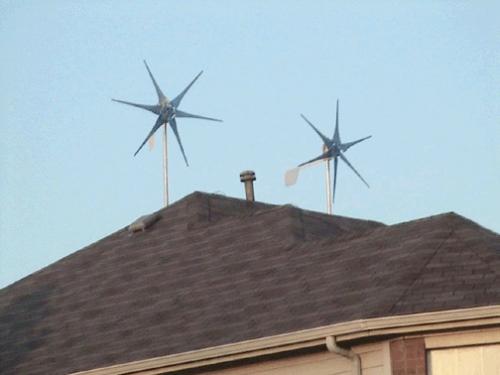
Look up as you walk through cities like New York and San
Francisco, and you may see small wind turbines.
A superficial search on the internet will show you that wind turbines
small enough to install yourself will cost you somewhere between $700 and
$1,000. Though they’re pricey and not considered as cost effective as solar
panels, those interested in owning their own rooftop windmills sometimes revere
them for the wow factor they provide more than anything else. If you’re
interested in small wind power for your home because you’re hoping to reduce
your dependency on fossil fuel, you should test your wind speed first.
How effective your small wind turbine is depends on where
you live. Wind turbine studies have shown that urban areas are less windy than
remote locations. A town located along the ocean or river is windier than one
that’s not. When there are skyscrapers
or evergreens around your home, wind currents will move substantially slower. It’s
also important to note that turbines on building roof tops have better wind
exposure than those on top of short houses. That’s why it’s essential for you
to see if you have sufficient wind speed to get a return on your investment.
This isn’t difficult, however. It just involves using an anemometer.
An anemometer is a digital wind sensor you can hold in your
hand or put on a tripod. Weather
stations use them. So do individuals who engage in outdoor activities like
windsurfing. They vary in price, but an accurate anemometer can be bought for
around $60. You’ll need to collect anemometer readings for at least a few
months to assess your area’s wind speed.
It’s highly recommended, however, that wind speeds be recorded for a
full year. Record wind speeds from the exact same location where you plan to
install your small wind turbine. If you’re unable to confidently draw a
conclusion from your data, consider hiring a wind power consultant. The
American Wind Energy Association is a trustworthy source of consumer
information on wind energy. They offer
an array of free educational material as well as referrals.
Your anemometer readings may not be encouraging, but before
you decide that they’re too low to count on to provide your home with wind
energy, you should look at some of the newer small wind turbines on the market.
While many turbines once needed a minimum wind speed of 7.5 mph to produce
electricity, small turbines are now able to produce energy from substantially
lower wind speeds. That said, data from the U.S. Energy Information Administration (EIA) shows
that the average American home uses about 940 kilowatt-hours of electricity per
month. It’s safe to say that a small wind turbine on your roof or window will
only meet a fraction of your energy needs. Despite some of the drawbacks
to using wind as an energy source, the interest in owning small wind turbines
is growing. Manufacturers are introducing new wind turbine products to the
market rapidly. The science of deploying and distributing wind is also
evolving. If there’s not a small wind turbine available that meets your needs
now, there may be one in the near future.
Bio
Laura Ginn is always researching ways to save money on her household bills, including installing solar panels to the roof of her house and utilizing wind power. She knows that the best way to get the lowest prices from energy suppliers is to use uSwitch.com the UK’s biggest online price compassion site.

Comments