The Specialties Of Thermal Insulating Sheet
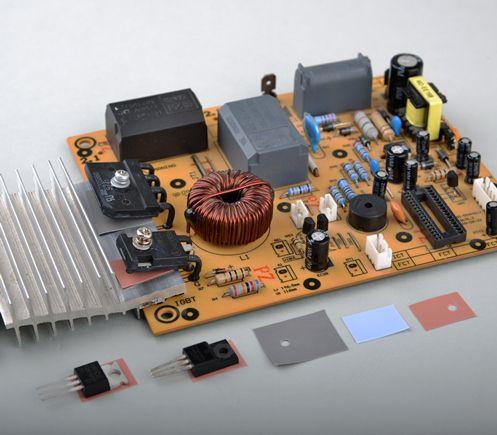
Thermally enhanced conductive
insulator is a thermally conductive electrically insulating materials, are
designed for a wide variety of applications. If you require high performance of
heat transfer and electrical isolation, this thermal
insulating sheet is made of polymers. Others, such as metal foils, are
not.
Choices include boards, blocks,
cords, coated fabrics, flexible sheets, foams, paper and tapes. Thermal
insulation materials come in different forms, it can source thermal protection materials
in these and other form factors. Thermal insulation is used in high-temperature
environments such as ovens and engine compartments.
Choices include ceramic fiber,
fiberglass, mineral fiber, mineral wool, polyurethane, silicone and various
specialty or proprietary materials. Many different types of materials including
fireproof rubber are available. With specific length and width dimensions, thermal
insulation serves an important to contain heat and stop its spread.
In an engine compartment, insulation
may need to block the spread of heat and dampen loud sounds or vibrations. This
is especially true in large vehicles with heavy-duty, high-decibel engines. The
thermal sheet supplier creates custom insulation that meets multiple
application requirements. None of these ingredients looks or tastes the same
either. Our skilled production personnel can also convert thin sheets of
aluminum foil-faced fiberglass fabric.
Experience with your industry
also matters, as does an understanding of material properties and flammability
standards. Not all materials transfer heat equally must be considered a
material property called thermal conductivity. Make sure to choose thermal
insulating sheet with a low thermal conductivity for high-temperature
applications. The lower the value, the more resistant the material is to heat
transfer.
Thermal conductivity describes a
material’s ability to transfer heat. Controlling
the transfer of heat to the production press with high performance thermal
insulation will reduce your energy consumption and improve your processing
variables. Each of the products provides unique features and benefits to ensure
you have consistent performance that meets your specifications.
The more effort your heating and
cooling systems put forth to reach and maintain temperatures, the greater the
cost of powering them. While the efficiency of one’s heating and cooling system
may be part of the reason for an elevated bill, home insulation is one aspect
of temperature conditioning that often goes overlooked. Many materials used in
home construction, such as wood, glass, brick, and concrete are poor thermal
insulators.
The effective foam of thermal
insulation material is polyethylene, it helps minimize temperature loss from
treated water. Polyethylene is available in multiple densities, polyethylene
only allows a two-point bond. This creates a seal, as well as permitting the
house to settle and flex with changes in weather, as the polyethylene only
allows a two-point bond.
When it all adds up, thermal insulation
is one of the smartest investments you can make. If the right materials are
used and installed properly, insulation is a one-time cost that pays for itself
in energy savings. Foam materials provide your investment quickly and enjoy
your savings sooner. So, did you find the right thermal insulating sheet supplier
yet?
Post Your Ad Here
Comments