The Importance of Coax Cable for Ham Radio Enthusiasts
The proper gear is crucial for
clear signal and efficient communication for ham radio enthusiasts. One crucial
component in any ham radio setup is the coax cable for ham radio.
Understanding the role of this cable and choosing the right type can significantly
impact your radio experience, ensuring clear transmission and reception of
signals.
Why Use Coax Cable for Ham
Radio?
The coax cable for ham radio
is essential due to its ability to maintain signal integrity over long
distances. The following are some main arguments in favor of it:
Signal Quality: Strong and clear
signals are produced via coax cables, which are engineered to minimize
interference and signal loss. For ham radio operators, who depend on good
communication, this is essential.
Durability: These cables
are robust and can withstand various environmental conditions, making them
suitable for both indoor and outdoor setups.
Versatility: Coax cables
can be used with a wide range of antennas and radio equipment, making them a
versatile choice for any ham radio setup.
Choosing the Right Coax Cable
for Ham Radio
To choose the right coax cable for ham radio one should
consider several factors to ensure optimal performance:
Cable Type:
There are different types of coax cables, such as RG-58, RG-8, and LMR-400.
Each has different characteristics, including impedance, diameter, and signal
loss per unit length. For ham radio, a cable with 50-ohm impedance, like RG-8
or LMR-400, is typically preferred due to its lower signal loss.
Length and
Signal Loss: The length of the cable can affect signal quality. It’s
essential to choose a cable length that meets your setup requirements without
excessively compromising signal strength.
Connectors:
Ensure that the connectors used are compatible with your ham radio and antenna.
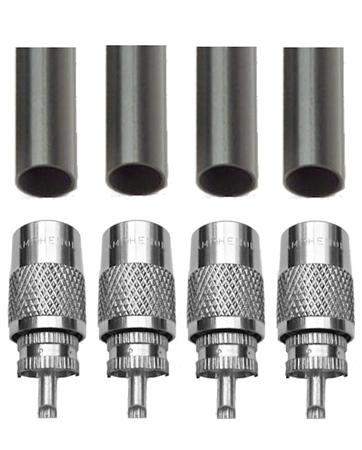
Common connectors include PL-259, BNC, and N-type. Properly installed
connectors help maintain signal integrity.
Shielding:
Good shielding is critical for preventing interference. Cables with
high-quality shielding, such as double-shielded or braided designs, offer
better protection against external noise.
Installing and Maintaining
Coax Cable for Ham Radio
Proper installation and
maintenance of the coax cable for ham
radio are crucial for long-term performance. Here are some tips:
Avoid Sharp
Bends: Sharp bends can damage the cable and degrade signal quality. Use
gentle curves and avoid kinking the cable during installation.
Weatherproofing:
For outdoor installations, ensure that all connections are weatherproofed to
prevent moisture ingress, which can cause signal loss and corrosion.
Frequent
Inspection: Look for
wear, damage, or loose connectors on the cable on a regular basis.
The coax cable for ham radio is a
vital component that significantly influences the effectiveness of your
communication setup. By understanding its importance, choosing the right type,
and ensuring proper installation and maintenance, ham radio operators can enjoy
clear and reliable communication. Whether you’re a seasoned operator or a
newcomer, investing in a high-quality coax cable can make a world of difference
in your ham radio experience.

Post Your Ad Here
Comments