The handiest bus routes in London
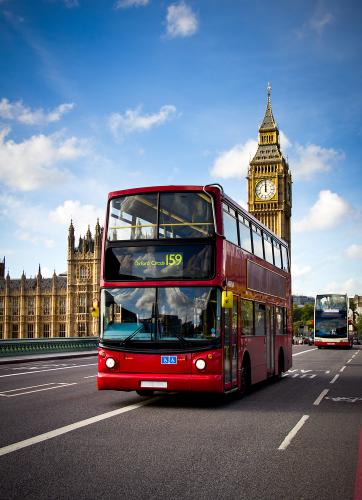
If you’re about to embark upon a big city trip, then the first thing you should do is to try and plan out a travel itinerary in order to get the most out of your time in London. Although you’ll be eager to see and do as much as possible, try not to cram too much in or else you’ll just wind up stressed out and frazzled from being constantly on the go. Instead try and balance out larger attractions with smaller and less fractious ones, such as visiting the very exciting and highly acclaimed London Eye experience after a calm morning stroll at Hyde Park.
You’ll also want to try and plan out the attractions that you’d like to see according to location too. You might find that some are within easy access of each other, so that won’t have to waste precious hours travelling back and forth for your entire visit- after all who wants to spend all of their time in a new city just riding tube lines or bus routes? On that note, there are however, certain pros to taking the bus as opposed to the tube- as well as being budget-friendly; you’ll also get to physically see more of London than you otherwise would have since using the tube is for the most part an underground affair.
The RV1 route
Perhaps the most popular and well known bus route to visitors of the city is the RV1, probably because of its views of some of the most well-known landmarks in London. Known by the locals as one of the sight-seeing bus routes, it leaves from Covent Garden and terminates at the Tower of London. Passengers will be treated to a lovely view of the city along their journey, passing the London Eye experience and the spectacular buildings along Southbank to name but a few.
The number 38 route
If you’ve just gotten off a long plane or train ride, you will more than likely be thinking that the last thing you’ll feel like doing is sitting on a bus. However, this route is brilliant for such visitors since it passes Marble Arch where many of the London 5 star hotels are located. Check in will be a doddle as you can hop off at Marble Arch and seamlessly make your way to the hotel lobby before collapsing on an insanely comfortable bed to recuperate from any impending jetlag. This route also passes Piccadilly Circus and Kings Cross too, before heading over to Hackney.
The number 24 bus
For travelling right through the heart of the city, you’ll want to become acquainted with the number 24 route, which passes The Houses of Parliament and the markets in Camden. The whole journey only takes 40 minutes (if you don’t hit traffic!) so it’s even quicker than hopping on the tube, and as an added bonus, you’ll get to take in the city scape along the way, something that you definitely don’t get when riding the underground.
The number 8 route
If you’re planning on exploring the urban side of the city then this is the bus you’ll utilise most, as it takes you right up to the bustling market action of Brick Lane (on a weekend), not to mention passing some of the chicest bars and restaurants in London too. It’s also the perfect route for exploring street art or sampling some world cuisine from some independent street vendors found in the Brick Lane market. Consider foregoing a restaurant meal in favour of some freshly prepared Thaior Mexican dishes- you won’t be disappointed. In fact, it’ll probably leave you wishing that the market was a daily occurrence so you can taste more of the spectacular dishes on offer here. If you’ve planned an afternoon of historical culture, then the number 8 bus will also take you right to the Museum of London.
The number 9
Whenever someone says ‘London buses’, the number 9 service bus is probably what comes to mind- a bright red double-decked vehicle that has an open platform where visitors can hop on or off at the rear. There are only two of many London bus routes that operate with these traditional buses now, mainly because of the fact that they are not accessible to wheelchair users or mothers with children in prams or buggies. Hence why there is also another number 9 bus that runs alongside this traditional vehicle that has easy access for the aforementioned service users.
Oyster Cards
Using public transport in London is so simple, yet it is made even easier through the use of Oyster travel cards. They look much like a debit or credit card and can be prepaid or ‘topped up’ as needed, and they are an acceptable form of payment for fares across many forms of public transport in the city. So, whether you want to ride the tube, take a trip on a bus or even use the trams or trains, you can present your Oyster card to benefit from the cheapest fares and a quick and easy way to pay for your tickets. It’s far more convenient to carry a lightweight card around with you rather than ensuring you have change for bus tickets and enough cash to pay for your fare back from Kings Cross to one of the luxury hotels near Marble Arch, such as The Montcalm London.
Booking accommodation in central London might even help you win over the locals too, because let’s be real here, you’re not going to be anyone’s favourite tourist if you’re holding the queue up to alight the bus because you’re fumbling in your bag looking for some more loose change!
You’ll also want to try and plan out the attractions that you’d like to see according to location too. You might find that some are within easy access of each other, so that won’t have to waste precious hours travelling back and forth for your entire visit- after all who wants to spend all of their time in a new city just riding tube lines or bus routes? On that note, there are however, certain pros to taking the bus as opposed to the tube- as well as being budget-friendly; you’ll also get to physically see more of London than you otherwise would have since using the tube is for the most part an underground affair.
The RV1 route
Perhaps the most popular and well known bus route to visitors of the city is the RV1, probably because of its views of some of the most well-known landmarks in London. Known by the locals as one of the sight-seeing bus routes, it leaves from Covent Garden and terminates at the Tower of London. Passengers will be treated to a lovely view of the city along their journey, passing the London Eye experience and the spectacular buildings along Southbank to name but a few.
The number 38 route
If you’ve just gotten off a long plane or train ride, you will more than likely be thinking that the last thing you’ll feel like doing is sitting on a bus. However, this route is brilliant for such visitors since it passes Marble Arch where many of the London 5 star hotels are located. Check in will be a doddle as you can hop off at Marble Arch and seamlessly make your way to the hotel lobby before collapsing on an insanely comfortable bed to recuperate from any impending jetlag. This route also passes Piccadilly Circus and Kings Cross too, before heading over to Hackney.
The number 24 bus
For travelling right through the heart of the city, you’ll want to become acquainted with the number 24 route, which passes The Houses of Parliament and the markets in Camden. The whole journey only takes 40 minutes (if you don’t hit traffic!) so it’s even quicker than hopping on the tube, and as an added bonus, you’ll get to take in the city scape along the way, something that you definitely don’t get when riding the underground.
The number 8 route
If you’re planning on exploring the urban side of the city then this is the bus you’ll utilise most, as it takes you right up to the bustling market action of Brick Lane (on a weekend), not to mention passing some of the chicest bars and restaurants in London too. It’s also the perfect route for exploring street art or sampling some world cuisine from some independent street vendors found in the Brick Lane market. Consider foregoing a restaurant meal in favour of some freshly prepared Thaior Mexican dishes- you won’t be disappointed. In fact, it’ll probably leave you wishing that the market was a daily occurrence so you can taste more of the spectacular dishes on offer here. If you’ve planned an afternoon of historical culture, then the number 8 bus will also take you right to the Museum of London.
The number 9
Whenever someone says ‘London buses’, the number 9 service bus is probably what comes to mind- a bright red double-decked vehicle that has an open platform where visitors can hop on or off at the rear. There are only two of many London bus routes that operate with these traditional buses now, mainly because of the fact that they are not accessible to wheelchair users or mothers with children in prams or buggies. Hence why there is also another number 9 bus that runs alongside this traditional vehicle that has easy access for the aforementioned service users.
Oyster Cards
Using public transport in London is so simple, yet it is made even easier through the use of Oyster travel cards. They look much like a debit or credit card and can be prepaid or ‘topped up’ as needed, and they are an acceptable form of payment for fares across many forms of public transport in the city. So, whether you want to ride the tube, take a trip on a bus or even use the trams or trains, you can present your Oyster card to benefit from the cheapest fares and a quick and easy way to pay for your tickets. It’s far more convenient to carry a lightweight card around with you rather than ensuring you have change for bus tickets and enough cash to pay for your fare back from Kings Cross to one of the luxury hotels near Marble Arch, such as The Montcalm London.
Booking accommodation in central London might even help you win over the locals too, because let’s be real here, you’re not going to be anyone’s favourite tourist if you’re holding the queue up to alight the bus because you’re fumbling in your bag looking for some more loose change!
Advertise on APSense
This advertising space is available.
Post Your Ad Here
Post Your Ad Here
Comments