The Future of Container Technology: Trends and Predictions
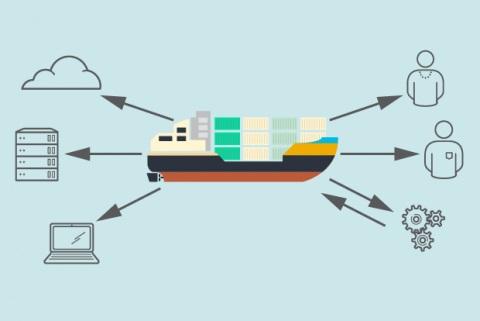
In the ever-evolving landscape of IT infrastructure,
Container Technology has emerged as a transformative force, revolutionizing how
applications are developed, deployed, and managed. As organizations
increasingly recognize the efficiency and agility of containerization,
Container Technology's trajectory is poised for further advancements. In this
article, we'll delve into the key trends and predictions shaping the future of
Container Technology, offering insights into how this technology is set to redefine
how we approach software development and deployment.
1.
Rise of Serverless Containers
One
of the prominent trends in the future of Container Technology is the ascent of
serverless containers. This evolution takes containerization to the next level,
allowing developers to focus more on code and less on infrastructure.
Serverless containers, characterized by brief and event-triggered executions,
enable dynamic scaling, reducing costs and optimizing resource utilization. As
this trend gains momentum, we can anticipate a shift towards even more granular
and efficient use of computing resources.
2.
Multi-Cloud Container Deployments
With
the growing adoption of cloud services, the future of Container Technology is
intrinsically linked to multi-cloud deployments. Organizations increasingly
leverage containers to achieve portability across different cloud providers,
mitigating vendor lock-in and enhancing flexibility. As container orchestration
platforms mature, we can expect seamless integration and management of
containers across diverse cloud environments, fostering a more distributed and
resilient infrastructure.
3.
Enhanced Container Security Measures
As
containerized applications become more pervasive, the need for robust security
measures is paramount. Future trends in Container Technology will see a
heightened focus on enhancing container security and addressing vulnerabilities
in images, orchestrators, and runtimes. Innovations in container security tools
and practices will play a pivotal role in ensuring the integrity and
confidentiality of containerized applications, paving the way for wider
enterprise adoption.
4.
Kubernetes Dominance Continues
Kubernetes
has emerged as the de facto standard for container orchestration, and its
dominance is expected to continue in the foreseeable future. As Kubernetes
ecosystems mature, we can anticipate the emergence of more specialized tools,
extensions, and best practices that further streamline the deployment and
management of containerized applications. The Kubernetes community's vibrant
contributions and collaborations will continue to shape the containerization
landscape.
5.
Integration of Artificial Intelligence (AI) with Container Technology
The intersection of Artificial Intelligence and Container Technology is a frontier that holds immense potential. Future containerization trends will witness the integration of AI for smarter resource allocation, automated scaling, and intelligent container management. Machine learning algorithms will contribute to optimizing containerized workflows, predicting resource requirements, and enhancing overall operational efficiency.
Conclusion
In conclusion, the future of Container Technology is marked by an exciting convergence of technological advancements that promise to redefine how we architect, deploy, and manage applications. From serverless containers to heightened security measures, the containerization landscape is evolving rapidly, presenting opportunities for innovation and efficiency. Organizations that embrace and adapt to these trends will be well-positioned to unlock the full potential of Container Technology in the dynamic world of IT infrastructure.
Post Your Ad Here
Comments