The biggest music community for Ghana’s music lovers
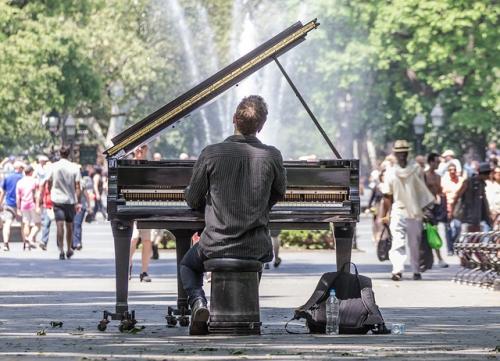
From the drumbeats of our ancient ancestors to today’s unlimited streaming services, music is an integral part of the human experience. In Ghana, music and dance are part of everyday life and will be heard and seen everywhere. Ghana has a very rich musical history that reflects on the culture of Ghana’s people. In Ghana music, there are mainly four types of music those are Contemporary music, Traditional music, and Gospel music and Imported music.
From the 2nd world war Ghana innovation a new genre of music which is called highlife. Highlife, which began around the 1930’s, was a blend of Africa and western music. Reginald Osei, known as “Reggie Rockstone” is known as the Godfather of Hiplife after beginning the movement in Ghana in 1994. Ghanaians, both young and old absolutely love their music! Ghana music plays loudly in streets or anywhere. The very cool hiplife could not be any more authentic.
As hip-hop became an increasingly popular musical genre worldwide, with artists such as Jay-Z, 50 Cent and Eminem reaching a global audience, hiplife continued to grow in popularity among Ghana's youth.
The style can be different in Ghana between the North and the South, composed of traditional songs, clapping, playing with dance and dance, although funeral or funeral, ceremonies, festivals, weddings and other public and private gatherings are happening ritualized events. Drums and gang-gong are more common in the south when string instruments and Louis answers are also used more.
In northern Ghana music, the common instrument is the gyil or balafon, like a xylophone. The music is traditionally played by pairs of men at funerals.
Among most traditional Ghanaian societies, death is an occasion not only to mourn the loss but also to reflect on and celebrate the life of the deceased. A burial and funeral often last for several days and are accompanied by songs and dances that move with the event from mourning to celebration. The night following the burial, mourners perform songs of sorrow and grief for the departed. Among the Ewe of southeastern Ghana, vocal ensembles, sometimes accompanied by simple percussion instruments, sing gogodzi to reflect the melancholy atmosphere of the occasion. The Ashanti of central Ghana performs songs in the Adowa style, among others, that focus on themes of loss and the chaos caused by death. The second day of the funeral is much livelier, and its music contributes to a greater goal of bringing the community together
Though Ghana has overcome 50 years of independence it is an advanced age for a nation. Ghana's cultural history remains firmly rooted in ancient traditions.
Post Your Ad Here
Comments