The Beauty and Complexity of Fine Art Painting
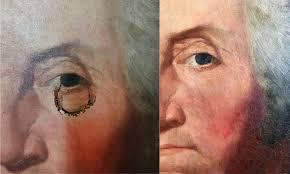
Fine art painting is a form of artistic expression that has been practiced for centuries. It involves the use of various materials, including oils, acrylics, watercolors, and pastels, to create images that capture the beauty and complexity of the world around us. Fine art painting can take many forms, from landscapes and portraits to abstract and conceptual works, and is a vital part of our cultural heritage.
One of the most striking features of fine art painting is its ability to convey emotion and communicate complex ideas through visual means. Fine art paintings can elicit a wide range of emotions, from joy and awe to sadness and contemplation. They can also convey complex ideas and concepts, from social and political commentary to philosophical and spiritual musings.
The process of creating a fine art painting is complex and multifaceted, involving a range of technical and creative skills. Fine art painters must have a deep understanding of the materials and techniques they are working with, as well as a strong sense of composition, color, and form. They must also have the ability to bring their own unique perspective and vision to their work, creating images that are both beautiful and thought-provoking.
One of the most important aspects of fine art painting is the use of color. Color is a powerful tool in the hands of a skilled painter, and can be used to evoke emotions, create mood and atmosphere, and convey meaning. Fine art painters must have a deep understanding of color theory, including the properties of hue, saturation, and value, as well as how colors interact with one another.
Another important aspect of fine art painting is the use of light and shadow. Light and shadow can be used to create depth, form, and texture, and can also be used to convey mood and emotion. Fine art painters must have a deep understanding of the principles of light and shadow, including how light behaves in different environments and how it interacts with different materials.
The composition is another critical aspect of fine art painting. Composition refers to the arrangement of elements within a painting, including the placement of objects, the use of negative space, and the overall balance of the image. A well-composed painting can draw the viewer's eye and create a sense of harmony and balance, while a poorly composed painting can be visually confusing and unappealing.
One of the most challenging aspects of fine art painting is achieving a sense of realism. Realism refers to the ability to create an image that accurately represents the world around us. Realism requires a high degree of technical skill, including the ability to create the illusion of depth and dimension, as well as the ability to accurately represent color, texture, and form.
Fine art painting restoration is also an important form of cultural expression, providing insight into the social, political, and cultural contexts in which they were created. Fine art paintings can serve as a historical record, documenting the world as it was seen by the artist at a particular moment in time. They can also provide a window into the artist's own psyche, offering a glimpse into their thoughts, emotions, and worldview.
In addition to being objects of artistic expression, fine art paintings are also highly valued for their financial and cultural worth. Fine art paintings can sell for millions of dollars at auction, and are often held in high esteem by collectors, galleries, and museums. Fine art paintings can also serve as symbols of national or cultural identity, and can be a source of pride and inspiration for communities and individuals alike.
In conclusion, fine art painting is a beautiful and complex form of artistic expression that has played an important role in our cultural heritage for centuries. Fine art painters must possess a range of technical and creative skills, including an understanding of materials and techniques, color theory, light and shadow, composition, and realism.
Post Your Ad Here
Comments