Sports Physiotherapy: Essential Exercises for Injury Rehabilitation
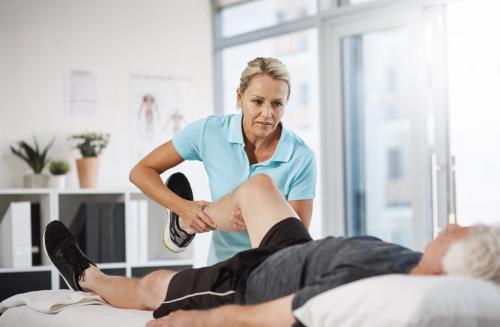
Sports physiotherapy performs a vital role in the world of athletics, providing essential support to athletes recovering from injuries and striving to return to peak performance. Injuries are an inevitable part of sports, and effective rehabilitation is crucial for a swift and safe recovery. This article explores the core exercises used in sports physiotherapy, designed to aid injury rehabilitation and enhance overall athletic performance.
Understanding Sports Physiotherapy
Sports physiotherapy is a specialized branch of physiotherapy focused on preventing, managing, and rehabilitating sports-related injuries. It involves a thorough understanding of biomechanics, exercise physiology, and the specific demands of various sports. Physiotherapists employ a combination of manual therapy, tailored exercise programs, and education to help athletes recover from injuries and reduce the risk of future occurrences.
The Rehabilitation Process
Rehabilitation is a multi-faceted process that aims to restore function, reduce pain, and improve mobility and strength. The process typically involves several stages:
Acute Phase: The immediate goal is to manage pain and inflammation. Rest, ice, compression, and elevation (RICE) are commonly used alongside gentle mobility exercises.
Sub-Acute Phase: Focus shifts to restoring range of motion and beginning light strengthening exercises.
Rehabilitation Phase: Emphasis is placed on strengthening, flexibility, and proprioception exercises.
Functional Phase: Exercises become more sport-specific, aiming to prepare the athlete for return to play.
Essential Exercises for Injury Rehabilitation
The following exercises are integral to sports physiotherapy and are tailored to address common injuries such as sprains, strains, and fractures. Each exercise targets specific aspects of recovery, from mobility to strength and stability.
1. Range of Motion Exercises
Restoring range of motion is essential for regaining normal joint function. These exercises are typically introduced early in the rehabilitation process.
Ankle Circles: Sit with your leg extended and slowly move your ankle in a circular motion, first clockwise and then counterclockwise. This helps in improving ankle mobility post-sprain.
Shoulder Pendulum: Lean forward with your uninjured arm supported on a table. Let your injured arm hang down and gently swing it in small circles. This exercise aids in shoulder mobility following an injury.
2. Stretching Exercises
Flexibility is key to preventing stiffness and maintaining joint function. Stretching exercises are gradually introduced as pain and inflammation subside.
Hamstring Stretch: Lie on your back with one leg extended and the other leg raised towards your chest. Hold the back of your thigh and gently pull your leg towards you. This stretch is essential for hamstring strains.
Quadriceps Stretch: Stand on one leg and pull the opposite foot towards your buttocks, holding your ankle. This stretch helps in recovering from quadriceps strains.
3. Strengthening Exercises
Building strength in the injured area and surrounding muscles is critical for a full recovery and preventing future injuries.
Heel Raises: Stand with your feet hip-width apart and slowly raise your heels off the ground, balancing on your toes. Lower your heels back down. This exercise strengthens the calf muscles, crucial for ankle and Achilles tendon injuries.
Resistance Band Rows: Attach a resistance band to a stable object, hold the ends, and pull towards your body while squeezing your shoulder blades together. This exercise strengthens the upper back and shoulders, beneficial for shoulder injuries.
4. Proprioception and Balance Exercises
Proprioception is the body’s ability to sense its position and movement in space. Enhancing proprioception is vital for preventing re-injury and improving coordination.
Single-Leg Stand: Stand on one leg for as long as possible, aiming for at least 30 seconds. Gradually increase the difficulty by closing your eyes or standing on an unstable surface. This exercise improves balance and ankle stability.
Bosu Ball Balance: Stand on a Bosu ball with both feet and try to maintain balance. Progress to single-leg standing or adding upper body movements. This exercise enhances overall proprioception and core stability.
5. Functional and Sport-Specific Exercises
As athletes progress through rehabilitation, exercises become more dynamic and sport-specific, preparing them for the demands of their sport.
Lunges with Rotation: Perform a forward lunge and rotate your torso towards the leading leg. This exercise mimics movements in sports and helps in regaining functional strength and stability.
Agility Drills: Incorporate ladder drills, cone drills, and shuttle runs to improve agility and coordination. These drills are essential for sports requiring quick changes in direction, such as soccer and basketball.
The Role of Manual Therapy
In addition to exercises, manual therapy is a cornerstone of sports physiotherapy. Techniques such as joint mobilizations, soft tissue massage, and myofascial release help in reducing pain, improving tissue flexibility, and enhancing overall mobility. Manual therapy complements exercise programs, providing a holistic approach to injury rehabilitation.
The Importance of a Personalized Approach
Every athlete and injury is unique, necessitating a personalized approach to rehabilitation. A thorough assessment by a qualified sports physiotherapist is crucial in designing a tailored exercise program. Factors such as the type and severity of the injury, the athlete’s sport, and individual goals are considered in creating an effective rehabilitation plan.
Conclusion
Sports physiotherapy is indispensable in helping athletes recover from injuries and return to their sport safely and efficiently. Essential exercises targeting range of motion, flexibility, strength, proprioception, and sport-specific skills are integral components of the rehabilitation process. By adhering to a structured and personalized rehabilitation program, athletes can achieve optimal recovery, reduce the risk of re-injury, and enhance their performance on the field.
Post Your Ad Here
Comments