Repairing Hot Water Heater
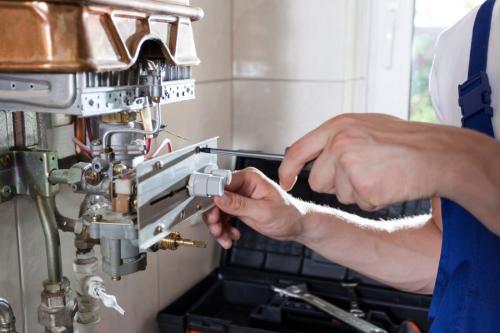 When purchasing a household water heater, select a water heating system that provides sufficient hot water, uses energy efficiently and gives value for your money.
Consider the different types of water heaters. Identify the right size and fuel source for your home.Water heating is known as the second largest energy expense in your household, which accounts for about 18% of your utility bill after heating and cooling.
Common problems
Leaks, noises and odors are basic issues that may be similarly handled regardless of the heating method. Not hot enough and too hot water heaters are two of the most common problems with hot water heaters.
The quickest way to check faulty thermostat is to adjust the temperature dial in the front of the water heater, then check the water temperature at a faucet.
Less hot water
A small water heater is usually the cause you never have enough hot water in your household. If you’ve increased your requirement for hot water by having a big new soaking tub or high-flow shower head, you’ll probably need to get a new, larger water heater. Choose tank less water heaters so you never run out of hot water.
If you’ve had enough hot water previously but suddenly your hot water supply becomes less, first check the dial on the water heater.
If outdoor temperatures have decreased significantly, your water heater must be pushed harder to heat and maintain the cold inbound water, and the water cools more as it passes through the pipes running through unheated spaces. The water heater’s dial should be adjusted to a slightly higher temperature.
Ensure the water heater is not leaking. If not of these are the issues, flush the water heater tank to ensure the mineral deposits do not reduce the heater’s efficiency.
Too hot water
Adjust the water heater temperature by marking the water heater dial and adjusting it to a lower setting. Initially, if your hot water is too hot, turn down the temperature on the water heater’s thermostat dial. Check the present setting or you can mark it with a felt-tip pen.Turn it towards a cooler setting. Wait for a couple of hours and see if the problem will be solved.
When the steam or excessively hot water goes out of the faucets or boiling sounds are heard inside the water heater, the appliance may not be shutting off at its set temperature. Turn down the water heater’s temperature and let the water to cool. You may change the water heater’s pressure relief valve.
Discolored hot water or with foul odour
If the water has bad odour, check the source water or the water heater. If the cold water smells, the problem is with your source water. Iron, copper, and other minerals may cause discoloration in water. Consider installing a whole house water filter and/or a water softener to solve this problem.
If the problem is with the hot water, the odour may be caused by mixture between the hot water heaters a node rod and water with high content of sulfates. Let the hot water run for two or three minutes. If it smells a bit like rotten eggs, you can flush the hot water heater tank. If this persists, the node rod needs to be changed.
Noisy water heater
If your hot water heater creates noises such as banging, whizzing, popping, hissing, etc. when it first kicks in, this is most likely caused by the buildup of sediments beneath the tank. Flushing properly your tank can help get rid of this problem. Flushing your tank every six to twelve months is highly recommended as regular hot water heater maintenance.
When your hot water heater leaks, an option is to replace the unit. A leaking water heater is risky, plumbing heating Sydney service provider will be able to quickly eliminate your old water heater and change it with a more energy-efficient model.
2 people like it

Advertise on APSense
This advertising space is available.
Post Your Ad Here
Post Your Ad Here
Comments