Polystyrene Waste and Its Management
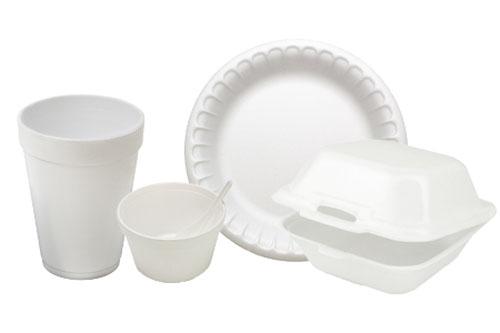
Polystyrene is the third most widely used raw material for disposable products, after paper and plastic. It comes in two forms; expanded or extruded and is also known as Styrofoam, which is a genericized trademark. Commonly, Styrofoam is used for disposable cups, plates etc. and it does not decompose for hundreds of years. This makes significant negative impact on the environment and activists the world over are dead against its usage.
Why is it popular?
Polystyrene has excellent hygienic qualities and thermal insulation properties, making it ideal for disposable food containers, plates, cups etc. It keeps hot items hot and cold items cold for longer duration because of its excellent thermal resistance. Polystyrene food containers also keep food fresher for longer and is far economic, compared to its alternatives. These and the cheap availability are the main reasons for its widespread popularity around the world.
Is it Recyclable?
There is a common misconception among people that Styrofoam or polystyrene is not recyclable. This is not true and the reason why recycled polystyrene is not commonly used for even disposable products is because manufacturing fresh polystyrene is cheaper than recycling it. But if handled properly, polystyrene waste can be efficiently recycled and reused economically.
Segregation
The first thing to take care of is that the waste is not contaminated by organic waste such as left-over food. Unclean or comingled polystyrene waste is not recyclable. You must also make sure that the polystyrene waste you send for recycling is not mixed with other waste like paper or metal. If cleaning and segregation of the waste is done at the source, half of the difficulty in its recycling process is taken care of.
Compaction
Another major issue in managing Styrofoam waste is its being large and bulky. It makes it really hard for waste transporters who move large quantities of polystyrene waste and used Styrofoam food containers take up majority of their storage space. You can do your best to break them down into small pieces by shredding or grinding and compact them as much as you can before throwing them into the recycle bin. It is easier for recyclers and transporters if every single waste generator does their part in compacting the waste.
From a domestic level, these are the only things you can do, as a waste generator. But from an ecological perspective, it is best to minimise the use of polystyrene disposable products and opt for products made from other alternative materials like paper, bagasse or other biodegradable and sustainably produced disposable products.
Advertise on APSense
This advertising space is available.
Post Your Ad Here
Post Your Ad Here
Comments