Physical Therapy for Carpal Tunnel Syndrome: Relieving Hand and Wrist Pain
Carpal
Tunnel Syndrome (also known as CTS) is a common condition that affects the hand
and wrist. Symptoms of CTS include pain, tingling, and numbness in the affected
area. Compression or irritation of the median nerve, which is located in the
wrist and travels through the carpal tunnel, is what causes this condition.
Physical therapy has emerged as a highly effective non-surgical approach for
the management and alleviation of symptoms associated with Carpal Tunnel
Syndrome. While other treatment options are available, physical therapy has
emerged as the most effective option. In this article, we will discuss the role
that physical therapy plays in the treatment of Carpal Tunnel Syndrome and in
the reduction of pain felt in the hands and wrists.
1. Acquiring Knowledge of the Carpal
Tunnel Syndrome
The
bones and ligaments in the wrist come together to form a narrow passageway
known as the carpal tunnel. This tunnel is where the median nerve, which is
responsible for providing sensation and movement to the thumb and the first
three fingers, travels. The median nerve is susceptible to compression, which
can result in the development of carpal tunnel syndrome if the tunnel is
allowed to become too narrow or if the tissues that surround it become inflamed.
Evaluation and Treatment of Physical
Therapy Patients
1. Evaluation Compréhensive: In order to determine the extent of
the symptoms associated with Carpal Tunnel Syndrome, a physical therapist will
perform a thorough evaluation. This may include evaluating the hand and wrist's
sensation, range of motion, strength, and overall function as a whole.
2. Education and Activity Modification: Physical therapists educate
patients about the condition, its causes, as well as strategies to modify daily
activities in order to reduce stress on the wrist. They offer ergonomic advice
for the proper alignment of the wrist while working or engaging in other
activities.
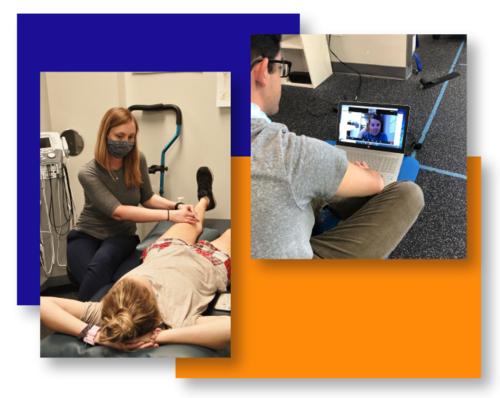
3. Techniques of Manual Therapy: Physical therapists utilize a
variety of manual therapy techniques in order to reduce patients' levels of
pain and increase joint mobility. These may include mobilizations of the
joints, mobilizations of the soft tissues, and specific hands-on techniques
designed to release tight structures.
4. Therapeutic Exercises: Individualized therapeutic exercises
are a crucial component of the physical therapy treatment plan for patients
suffering from Carpal Tunnel Syndrome. These exercises are designed to build
strength in the muscles that surround the wrist and hand, improve flexibility,
and encourage correct posture. The physical therapist will create an
individualized exercise program for the patient that is catered to the
patient's specific requirements and progression.
5. Techniques of Nerve Gliding: Physical therapist Durham NC frequently make use of nerve
gliding exercises in order to assist in the mobilization of the median nerve
and in the reduction of symptoms. These exercises consist of gentle motions and
stretches, and their goal is to improve the nerve's ability to move more freely
within the carpal tunnel.
6. Modalities for Pain: Relief It is possible to treat pain
and reduce inflammation with modalities such as ultrasound, heat, or cold
therapy, as well as electrical stimulation.
7. Splinting: A physical therapist may fabricate a custom splint for the
purpose of supporting and immobilizing the wrist during certain activities or
while the patient is sleeping. These splints help relieve pressure that was
being placed on the median nerve while also providing support for the body's
natural healing process.
8. Ergonomic Assessment: Physical therapists evaluate
workstations and make recommendations for ergonomically sound modifications to
prevent exacerbation of symptoms as part of an ergonomic assessment. This may
include suggestions for how to set up the desk, the height of the chair, how to
position the keyboard, and how to use supportive devices.
Benefits of Physical Therapy for
Carpal Tunnel Syndrome
1. Pain Relief: The goals of physical therapy interventions for Carpal Tunnel
Syndrome are to alleviate pain by addressing the underlying causes of the
condition. The use of manual therapy techniques, therapeutic exercises, and
modalities can significantly reduce the amount of pain and discomfort
experienced.
2. Improved Function and Mobility: Physical therapy helps
restore the hand and wrist's range of motion, flexibility, and functional
abilities through the use of specific exercises, techniques for strengthening,
and stretches. This leads to an improvement in both function and mobility. The
ability to move around more easily makes daily activities easier and improves
overall hand function.
3. The Need for Surgical Intervention Can Be Avoided: In many instances, physical
therapy is able to provide significant relief from the symptoms of carpal
tunnel syndrome, thereby avoiding the necessity for surgical intervention.
Physical therapists collaborate closely with their patients to devise
individualized treatment plans and closely track their progression in order to
achieve the best possible results.
4. Preventative Strategies: Physical therapists educate patients
on correct posture, ergonomics, and activity modification as preventative
strategies with the goal of lowering the risk of future episodes of Carpal
Tunnel Syndrome or an exacerbation of the condition's symptoms.
5. Empowerment of Patients: Patients receive empowerment from
physical therapy because they are involved in their own recovery. Patients
learn how to manage their symptoms and prevent future flare-ups by
participating in educational programming, physical therapy, and other
self-management activities.
Conclusion
Carpal
Tunnel Syndrome can be effectively treated with physical therapy, which offers
effective non-surgical options for pain relief and improved hand and wrist
function. Physical therapy plays an important role in the treatment of Carpal
Tunnel Syndrome. Physical therapists address the underlying causes of Carpal
Tunnel Syndrome and assist patients in regaining comfort and function through a
treatment approach that integrates manual therapy techniques, therapeutic
exercises, splinting, ergonomic modifications, and patient education. Consult a
physical therapist if you are experiencing hand and wrist pain that is
associated with Carpal Tunnel Syndrome, click here to learn more. They will be able to develop a comprehensive
treatment plan for you that takes into account your particular requirements and
objectives. Physical therapy has the potential to significantly lessen your
symptoms and significantly improve your quality of life, provided that you
receive the appropriate guidance and support.

Comments