New Trends In Real Estate And Space Development
 The current global outlook for real estate investment remains bright with several new trends and implications for the IWMS industry. Development continues apace in Europe after concerns about the currency markets have been abated and the hottest new markets exist in European cities. Asia, too, despite set-backs is thriving, in particular Japan, surging back from its recent crisis. Cities across the globe are expanding as populations shift to urban areas. Global gateway cities, are dominating the market.
In the U.S. perception are that demand has pushed real estate prices too high; never the less foreign investors are snapping up properties. Many are investing in specialized markets, like student housing or distribution centers. Secondary cities like Baltimore and Wilmington are also seeing increases in investment. All factors point to continuing to develop ways property can be managed and valued. Efficiency in pulling together evolving data with IT driven systems is a critical part of real estate investment.
With the expanding real estate investment market, several other trends have emerged with effect projections of facilities value.
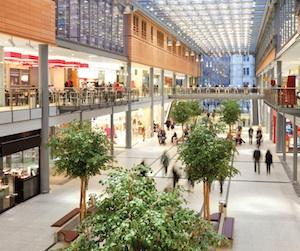
Shopping malls may soon be obsolete, or at the very least, there will be fewer and few of them. 20 years ago there were approximately 1,100 malls throughout the U.S. Now, there are only about 400. The price of gas and the surge in on-line shopping are both factors in this change in consumer behavior. The shift also of an affluent population from the suburbs to more urban areas has also help spur the mall’s demise. One way perhaps abandoned malls can be utilized is by meeting the new demand for distribution center. The growth of on-line sales has dramatically increased the need for centers located centrally within populated areas for easier deliveries. Another use for empty mall space is data storage. The advent of the cloud has increased demand for vast amounts of temperate space where the servers can be run and maintained.
Another trend in real estate is a new concept called “place making,” The influx of people to cities has focused urban planning on how to become increasingly people friendly. Many urban centers are tracking activity around buildings and open areas to determine the best location and usage for public areas. Based on a consensus of data, playgrounds are planned, interactive parks developed; spaces for open air events are built. The idea is to design a place which will reinforce neighborhood and community among local inhabitants.
Finally, biometrics is starting to become a growing trend. It is not just science fiction. Instead of keys and locks, utilization of fingerprints, voice recognition, iris scanning, etc., are all being implemented in designs of new buildings? These systems require a vast amount of cohesive data gathered and stored in order to be effective. Aside from security the concept of biometrics is also being applied to the ways people move through space and structure. Imagine an escalator powered by the steps of those climb it? Such innovations are not far in the future.
Advertise on APSense
This advertising space is available.
Post Your Ad Here
Post Your Ad Here
Comments