Knowing Different Essential Oil Diffusers And Choosing The Best
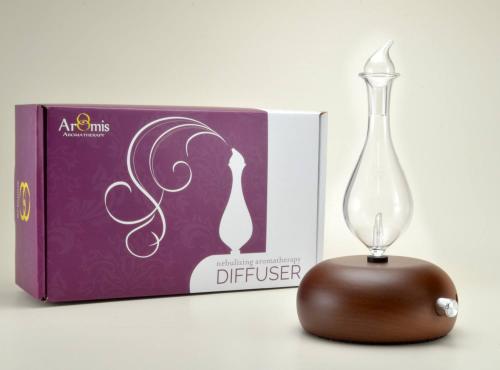
You must have heard about the diffusion of the essential oils which is done to cure many physical and emotional ailments. Actually, diffusion is the process in which the essential oils get dispersed and fill the entire room with their aroma. And the therapy in which these oils are diffused for soothing and healing the body is known as aromatherapy. But, if you think that the aromatherapy can only be given at the clinics then you are wrong. You can do it at home; what you need to do is buy an essential oil diffuser. Though there are some other easy and simple methods, but diffusers are considered as best for effective results.
Here, in this write-up, we are going to discuss the pros and cons of different diffuser types, so that you can choose the best diffuser for essential oils, depending on your priorities. So, let's start.
- Don't need electricity or batteries to operate
Cons
- You need to be as careful as you are while using a candle
- You need to replace the candles at regular intervals
Pros
- Spread fragrance up to a large distance
- Thicker oils are more effectively dispersed through these diffusers
Cons
- Cleaning them is little troublesome when used for the diffusion of thicker oils
Pros
- Available in a wide range of size and designs
- Are the most affordable among the non-passive diffusers
- Easily available
- They can lead to humidity
Cons
- Can fail or encounter problems more quickly
- Users need to follow the instructions quickly
Pros
- Is good for therapeutic use
- Are more effective as oils are broken into smaller molecules
Cons
- It takes more time to clean nebulizers, especially after using thick oils
- Depending on the style and size, some nebulizers cannot be used for thick oils like Patchouli and Sandalwood.
Now, being aware of all the diffuser types along with their pros and cons, you can easily point out that which will be the best essential oil diffuser for home. However, try to find wooden and glass diffusers as they are able to retain the natural smell of the essential oils. So, you can expect more therapeutic value from such essential oil diffusers.
Here, in this write-up, we are going to discuss the pros and cons of different diffuser types, so that you can choose the best diffuser for essential oils, depending on your priorities. So, let's start.
- Candle Diffusers
- Less expensive than nebulizing diffusersPros
- Don't need electricity or batteries to operate
Cons
- You need to be as careful as you are while using a candle
- You need to replace the candles at regular intervals
- Electric heat diffusers
Pros
- Spread fragrance up to a large distance
- Thicker oils are more effectively dispersed through these diffusers
Cons
- Cleaning them is little troublesome when used for the diffusion of thicker oils
- Ultrasonic Diffusers
Pros
- Available in a wide range of size and designs
- Are the most affordable among the non-passive diffusers
- Easily available
- They can lead to humidity
Cons
- Can fail or encounter problems more quickly
- Users need to follow the instructions quickly
- Nebulizers
Pros
- Is good for therapeutic use
- Are more effective as oils are broken into smaller molecules
Cons
- It takes more time to clean nebulizers, especially after using thick oils
- Depending on the style and size, some nebulizers cannot be used for thick oils like Patchouli and Sandalwood.
Now, being aware of all the diffuser types along with their pros and cons, you can easily point out that which will be the best essential oil diffuser for home. However, try to find wooden and glass diffusers as they are able to retain the natural smell of the essential oils. So, you can expect more therapeutic value from such essential oil diffusers.
1 people like it

Advertise on APSense
This advertising space is available.
Post Your Ad Here
Post Your Ad Here
Comments