How women's lightweight steel toe boots protect toe
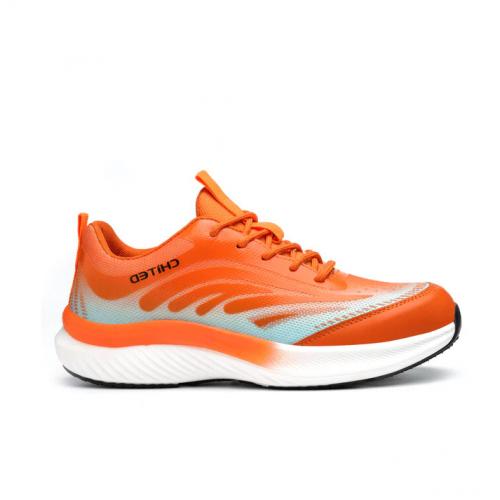
Women's lightweight steel-toe boots are crucial in various industries where safety footwear is required. Here’s an exploration of their role, benefits, and considerations:
Role and Status
Security Compliance
Lightweight steel toe boots for women are planned to meet safety standards mandated by industries such as construction, manufacturing, mining, and logistics. They protect against impact from heavy objects and compression hazards.
Protection
Lightweight steel toe boots womens are to protect the feet from injuries that could result from falling objects or accidental impacts on the job site. The steel toe cap, typically made of composite materials, offers a protective barrier without compromising comfort.
Comfort
Modern designs prioritize comfort alongside safety. Lightweight materials and ergonomic designs reduce fatigue during extended wear, enhancing productivity and reducing the risk of discomfort or foot-related issues.
Durability
These boots are built to withstand harsh environments. Materials like leather, synthetic fabrics, and durable outsoles ensure longevity, making them a cost-effective choice for employers and workers.
Slip Resistance
Many models feature slip-resistant outsoles, which are crucial for maintaining stability on slippery surfaces such as wet floors or oily environments.
Benefits
Reduced Fatigue
Compared to traditional heavy steel toe boots, lightweight versions reduce strain and fatigue, promoting better mobility and comfort throughout the workday.
Improved Mobility
The lighter weight and flexible materials allow for easier movement and agility, essential in fast-paced work environments where maneuverability is key.
Breathability
Enhanced ventilation features in some designs prevent overheating and moisture buildup, keeping feet dry and comfortable in various weather conditions.
Style Options
Increasingly, manufacturers offer stylish designs catering to women’s preferences, ensuring safety doesn’t compromise personal style.
Regulatory Compliance
Lightweight steel-toe boots ensure compliance with workplace safety regulations, protecting employers from liabilities and workers from potential injuries.
Considerations
Fit and Sizing
Proper fit is critical for comfort and safety. Manufacturers provide sizing guides; some offer wide-fit options to accommodate different foot shapes.
Material Selection
When selecting materials, consider the job environment. Lightweight women's work boots have great durability and water resistance, while synthetic materials may provide lighter weight and easier maintenance.
Safety Standards
Verify that the boots meet relevant safety standards such as ASTM (American Society for Testing and Materials) for impact and compression resistance.
Additional Features
Depending on specific job requirements, look for additional features like puncture resistance, electrical hazard protection, or metatarsal guards for comprehensive foot safety.
Maintenance
Regular cleaning and maintenance prolong the lifespan of lightweight steel-toe boots. To maximize durability and performance, follow manufacturer guidelines for care.
Important Consideration
Weather Protection
Some models feature waterproof or water-resistant materials, ideal for outdoor work environments or jobs where moisture exposure is common.
Chemical Resistance
Certain industries require boots that can withstand exposure to chemicals or hazardous substances. Look for boots with chemical-resistant features if working in such environments.
Electrical Hazard Protection
Boots with EH (Electrical Hazard) protection help protect against accidental contact with electrical circuits, reducing the risk of electric shock or injury.
Anti-Fatigue Technology
Advanced designs may incorporate anti-fatigue technology in the midsole or footbed, providing enhanced cushioning and support for prolonged standing or walking.
Adjustable Fit
Boots with adjustable features such as laces, straps, or buckles allow for a customizable fit, accommodating individual comfort preferences and foot swelling throughout the day.
Reflective Elements
In industries where visibility is crucial, boots with reflective accents or high-visibility colors improve visibility in low-light conditions, enhancing safety.
Impact Absorption
Beyond the steel toe cap, some boots include additional features like shock-absorbing heels or cushioned midsoles to minimize impact on joints and reduce fatigue.
Orthotic-Friendly Design
Boots with removable insoles or orthotic-friendly designs offer flexibility and comfort for workers with specific foot conditions or who use custom orthotics.
Environmental Considerations
Consumers and companies are increasingly prioritizing sustainable manufacturing practices and eco-friendly materials. Look for boots made from recycled or responsibly sourced materials.
Cost-Effectiveness
While lightweight steel toe boots may initially cost more than non-safety footwear, their durability, and protective features make them a worthwhile investment in long-term foot health and safety.
FAQs
What are lightweight steel-toe boots made of?
Steel toe boots for women typically combine leather, synthetic fabrics, and lightweight metals like aluminum or composite materials.
Are lightweight steel-toe boots comfortable for all-day wear?
Yes, manufacturers prioritize comfort alongside safety in the design of lightweight steel-toe boots. Features like ergonomic footbeds, cushioned midsoles, and breathable materials contribute to comfort during extended periods of wear.
Do lightweight steel-toe boots meet safety standards?
Reputable brands ensure that their lightweight steel-toe boots meet or exceed safety standards, such as ASTM (American Society for Testing and Materials) for impact resistance and compression protection.
Can lightweight steel-toe boots be worn in different weather conditions?
Yes, many lightweight steel-toe boots are designed with weather-resistant features, such as waterproof materials or insulation for warmth.
How do I choose the right size of lightweight steel-toe boots?
Choosing the correct size is crucial for comfort and safety. It's recommended to refer to the manufacturer's sizing chart and follow any specific guidance they provide.
Post Your Ad Here
Comments