How to Synchronize Two Generators
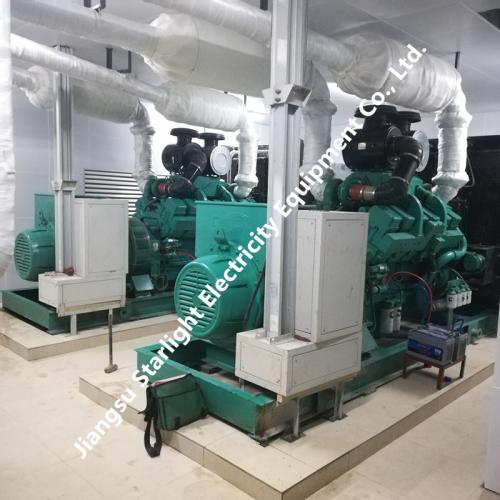
Principle:
The
theory is to synchronize two generators so that they can both supply the same
load. Their output voltage, frequency, and phase are matched so they can
operate in parallel which will add the capacity of the second machine to the
first. Once in sync, they will tend to keep each other in sync and if one generator
engine shuts off or fails to keep up, the other will run that generator as a
motor, quite possibly damaging the alternator and engine.
Use
generators that have manual controls to adjust engine speed (frequency) and
voltage.
The
generator receptacle panels should each have a 120-volt convenience outlet to
use as the alternator leads to sync the generators. The larger 120/240 volt 30
or 50 amp receptacle is used to parallel the generator outputs and supply the
load and must have its own breaker to turn the output on and off. This is
breaker referred to below.
120/240
volt generators have two hot leads and one neutral. One lead is L1, the other
is L2. When making the sync circuit, connect to L1 on both generators, or
connect to L2 on both generators. If you can’t figure it out, then don’t so
this.
Beginners
Method:
This
is sometimes called The Dark Lamp method. Its used primarily for two generators
that are the same size and is an inexact method. You probably don’t want to try
this with generators of more than few kilowatts in size.
Decide
which generator is the lead and which one is secondary. Turn off the
120/240-volt breaker on the secondary generator. The main breakers on both
generators should be on.
Connect
the 120/240-volt receptacles in parallel. Turn off the 120/240 breaker on the
secondary generator.
Connect
the neutral leads from the convenience receptacles together with a single wire.
Connect
an incandescent, 240 volt lamp in series between the hot leads of the
convenience outlets.
When
either or both of the generators are running, there is current present on the
neutral and hot connection, the wires, the switch, and the lamps regardless of
the breaker positions—use all due care not to touch or come into contact with
this wire or any connections.
Check
connections and setup. 120/240-volt breaker off on secondary. Hot leads
connected in series with a 240-volt lamp. Neutral leads connected together.
120/240 volt receptacles connected in parallel.
With
all connections in place, start the lead generator, then the secondary. The
lamp will either turn on and flicker or stay on. It is possible, although very
unlikely, it will not turn on and in that case the generators are perfectly in
sync. Consider your chances of winning ten Powerball lottery jackpots over ten
consecutive weeks far higher than this actually happening - well maybe not that
high, but this is a very rare happenstance.
Slightly
alter the engine speed (frequency) of the secondary generator either faster or
slower to slow the flickering to a slow blink. A good on-off cycle is about
one-half second if you can manage it. The light is out, then grows bright as it
turns on, dims as it goes out, then goes dark again.
When
the light is dark, the two AC-cycles are in sync. As the light goes dark, turn
on the 120/240 volt breaker of the secondary generator. The secondary generator
will adjust to the cycle of the lead generator.
At
this point, whatever phase difference existed between the two generators will
almost instantly correct itself. Make sure you turn on the secondary breaker
when the phases are as close as possible (Dark Lamp) or you could seriously
damage either or both engines or alternators or both. On larger generators, the
sudden correction can cause catastrophic damage and injure anyone close by.
This is why this method is only appropriate for small generators of perhaps
5000 watts or less.
Good
Theory Put into Practice:
Once
you understand the principle and have successfully synced a pair of small
generators of the same size, with the right equipment you can sync larger
generators or multiple units to work in parallel similar to the way the power
grid works and you can connect multiple generators of different sizes to act as
a single source.
Post Your Ad Here
Comments