HOW TO REJUVENATE THE FACADE OF YOUR HOUSE WITH PAINT
Painting is the easiest and cheapest way to improve a home's appearance while increasing its appeal. Not only does painting help your home look its best, but it also helps protect your home from the weather and weather. But let's be realistic for a moment, painting the entire exterior of a house is an imposing task to undertake.
The difficulty of the job depends on the number of layers on the front as well as the number of times the house has been painted over time. Also, for homes painted before 1980, beware of the possibility that your home's exterior paint contains asbestos, an element that is highly toxic.
Regardless of the situation, if you believe that the outside of your home might need a new coat of paint, here are the main steps to follow to complete this type of project:

Follow our guide to paint the exterior of your home!
If you go ahead with an outdoor painting auckland project, there are several things to consider before you start. First, keep your color scheme simple, as a color palette that is too complicated or too flashy may not age well over the next few years. Use the colors to highlight the most beautiful parts of your home, thus removing the look of less attractive aspects . The accent colors should be darker, while the entire facade should be kept in rather light hues to avoid attracting heat.
Also, natural stone or brick should not be painted, so keep that in mind before brushing your brick walls! Now that we have covered the base, we are ready to take the first steps.

Clean the walls
For the best possible result, it is important that you pressure wash the walls of your house, as any form of dirt or dust buildup will leave you with an uneven coat of paint. Work from the top of the outer surface to the bottom, proceeding smoothly and controlled over the entire surface with overlapping strokes.
When the walls have been completely washed, go around your house and repair any damaged surfaces by trying to identify cracks in the wood, the cladding and the stucco. Apply epoxy putty to fill cracks or holes. When dry, sand these sections using medium-grained sandpaper.
Remove excess paint
Remove all flaking paint on the facade. Place sheets around your house and go ahead with the removal. This can be done with a paint scraper or, just like with epoxy, you can use a medium grain sand paper. Be sure to do the job carefully as any residue will interfere with the new layer.
Repair and seal
It is vital to seal all the cracks or holes you find on the outside of your home, those that can lead to mold growth. Locate the holes left between the outside and the curb and fill these spaces with exterior caulking and a caulking gun. If your home is built with a mix of materials, add caulking to surfaces where different materials meet to create extra protection. If your exterior cladding material is wood, look for knots in the wood.
Apply a coat of stain remover using a small brush. Next, protect all exterior doors, windows, and light fixtures with plastic sheeting and masking tape, as you will not want these items to be damaged or ruined along the way. To finish with a quality paint project, it is important to protect it with a good primer, which will go over the old paint and creating a smooth surface for the new layers!
The type of primer you choose will depend on the type of wall you are working on. If your walls are chalky or dusty, buy a sealer for limestone walls.

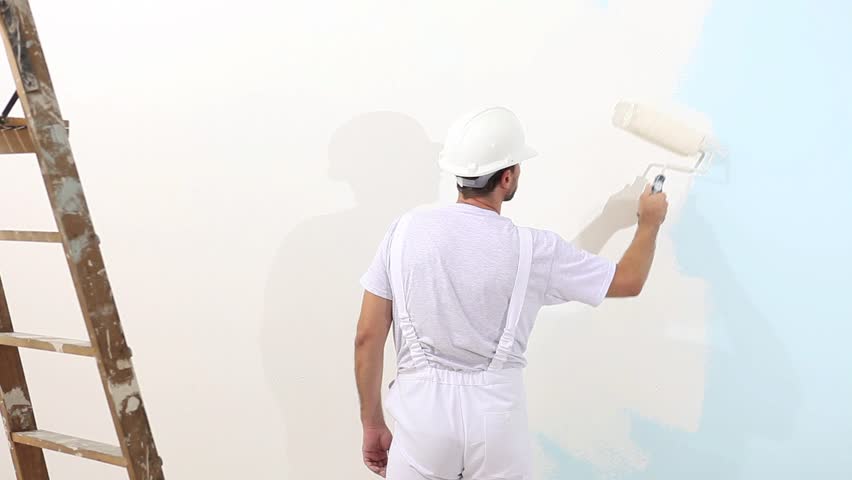
So, you have completed all the preliminary steps and now it's time to take action. It is recommended that you start by applying a matte or eggshell-colored exterior paint with a sprayer over the entire house. If the hue is intense, you can stick to one layer. If you notice marks, it is better to do two layers rather than one.
Work up and down in a controlled manner by overlapping sections of paint. Remember that a primer is not needed when a fresh coat of paint of the same color is applied. Then go to the ornaments and finish. At this point you can remove the plastic on the doors, windows and light fixtures. Start with two coats of semi-gloss paint covering the woodwork with a small brush. If the color differs from the rest of the exterior surface, be sure to be even more thorough!
Post Your Ad Here
Comments