How to get the Cochineal Scale treatment very well?
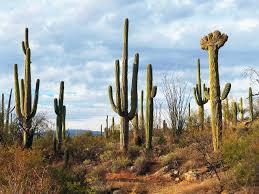
If you
have got prickly pear or cactus
cacti in your area, you’ve been tackled with a soft white mass on the surface of the plants. If you were to get rid of the mass and crush it on
a bit of paper, the outcome
should be a coat of vivacious
red, a tell-tale sign of the incidence of cochineal scale bugs. What do you mean by cochineal scale and the ways are you able to treat cochineal scale?
Let’s learn a lot of.
Cochineal scale bugs are usually found on cactus of
the genus of cacti. It is
a bug native to the New World that was utilized for dying and
painting. Spanish conquistadors got dried cochineal scale powder back to their
land wherever it became a sought subsequent to red dye till the 1850’s. Cochineal dye was
changed in attractiveness by aniline
dyes however remains
commercially made wherever it's still utilized for color
food, drinks, cosmetics and paints.
How to get Cochineal
Scale Treatment
If the invasion of scale is negligible, cochineal scale treatment involves merely of a sprig of water. Blast the affected space with hose besieged.
This may depict and weaken the size bugs, which may then be treated with an insecticidal soap or a
mixture of ½ teaspoon of dish soap to a gallon of water. If the issue continues, prune off the
worst pads at the joints and remove them.
If the cactus looks to be heavily infected, you will have to be
compelled to go with a
chemical cochineal scale treatment. Apply a mixture of insecticide, dormant oil spray and/or
insecticidal soap. Apply as per
the manufacturer’s instructions. Don’t
spray on hot, sunny days, because the
plant is probably going to burn
from the dormant oil. If the weather is
just too warm to use dormant oil, use chemical mixed with dish soap.
Cochineal scale is unfolded around by projecting to birds’ feet; therefore you have to examine the plant oftentimes. Spray the cactus
well, focus to joints. Spray once more
in seven days and then fourteen days once the primary application.
Post Your Ad Here
Comments