How to Compare Best RO Water Purifiers for Home?
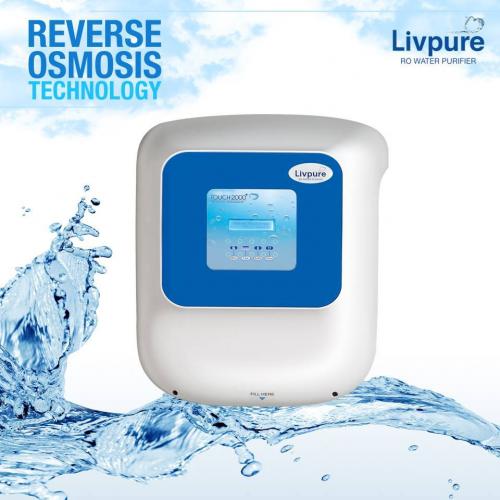
The market has a plethora of devices that claim to provide clean, pure drinking water, the most common being RO purifiers. Because of the overwhelming number of brands available, it is essential to compare each device on a wide variety of factors, including water pressure and quality of water.
Prior to purchasing a water purifier for your home, you should have a brief understanding on how they work. Water purifiers are gadgets that will help filter contaminants found in tap water to offer you clean, pure, unadulterated, and safe drinking water. When you compare water purifiers, you will find that there are great differences between types of purifiers, both in appearance and function. In addition, the filtering process is different, which means that the type of contaminants eliminated is different. You should select a purifier that works best for you.
When you decide to compare RO water purifiers in India, several factors arise, which need to be taken into consideration:
1) Quality of Water: The first factor that comes to mind while comparing the best RO water purifiers for households in India is the quality of water. The RO membrane in some purifiers measures .0005 micron, thus eliminating the most minutes of impurities. Some RO purifiers provide water whose taste has been enhanced, whereas others do not offer such a feature. Therefore, quality of water provided is the first point of differentiation when we compare water purifiers in India.
2) Electricity: RO water purifiers are known to be economical and cost-effective; however, like most gadgets, they need electricity to function. The more the features the more the units of electricity are likely to be consumed. What’s more, in regions where power supply is erratic, the units consumed by RO water purifiers vary.
3) Storage Capacity: The next point of differentiation between the best RO water purifiers is the storage capacity. Most purifiers have storage tanks that can store as many as 10 liters of drinking water, whereas others have smaller-built tanks. Needless to say, purifiers with larger storage tanks will be more expensive than those equipped with smaller tanks.
4) Water Pressure: RO water purifiers need a steady supply of water to the system. If the incoming flow of water does not have excess pressure, the RO filter will not function at an optimal level. Therefore, some RO water purifiers need to be attached to a pump to increase the pressure of water.
5) Contamination: If the TDS (total dissolved salts) in drinking water exceeds 80 ppm, an RO water purifier comes to the rescue. Water that is supplied from rivers and lakes as well as harvested rainwater comes with a lower TDS concentration. In contrast, water derived from bore wells or that supplied from tankers have a high TDS and harmful chemical concentration. Therefore, choose an RO water purifier that offers TDS removal of up to 2000 ppm. This will ensure that the hard water is transformed into potable drinking water.
Other factors that need to be considered while comparing the best RO water purifiers for home include cost, efficiency, durability, construction, and aesthetics.
Author Bio: Rishabh is an expert content writer who writes on the topics related to ro water purifier. He disseminates his technological knowledge via write-ups for popular brands. He not only knows the technicalities & the science behind the RO purifiers but also holds an experience in the same. You can compare or buy best RO water purifiers at http://www.livpurewater.com/
Post Your Ad Here
Comments