How does an Artificial Turf turn out to be like Natural Lawns?
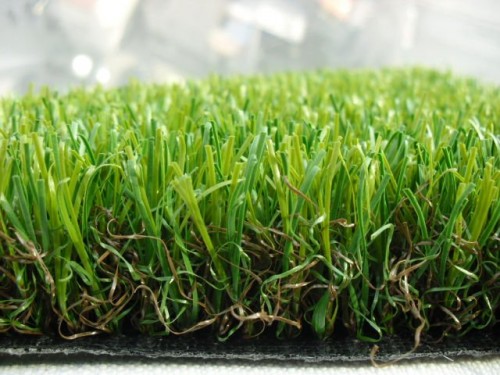
People in different industries have one common question when it comes to their concerns in choosing artificial grass as an alternative versus the real grass - How does an artificial turf turn out to be like natural lawns? Although this question might reflect their curiosity and hesitation in terms of purchasing synthetic grasses for various purposes, this valid inquiry can also inform the public about the main components of these products to clear out any misconceptions about them.
Undergoing in a High Quality Process:
Raw materials of synthetic grass include best quality fibers such as: nylon, polyethylene, polypropylene and polyester. These products are installed with different infills that provide support to ensure that the blades are stable and slide resistant. The special infills also contribute on the artificial grass’ natural look.
According to madehow.com, the manufacturing process starts by blending the primary components altogether in a hopper. Dyes and chemicals are added to give the turf its traditional green color and to protect it from the ultraviolet rays from the sun.
Artificial grass will also undergo on the process of extrusion. It is done by inserting the raw material to a hole that has a specific shape to form a shape of a strand. The procedure has an effect in the surface area’s physical resistance, flexibility and strength. Finally, the material will be heated and mixed under pressure until it stretches. If the technicians found out that the materials are already refined, it will be cut into portions in order to create extra stability for the final product. Quality control and checking takes place when the material is proven to be ready for knitting or tufting.
Comparison of Synthetic and Natural Grass Look and Feel:
You may not notice the difference of natural and artificial grass at first. However, according to a San Diego artificial turf contractor, the livelier and greener appearance of fake turfs made it more visually appealing as compared to the real ones that have a tendency to look dull, brown and rotten during drought and extremely hot summer seasons.
If you are going to touch the two different varieties of grasses you’ll notice that the synthetic ones have softer and finer texture than natural grass which can be sometimes “itchy” and irritating to the skin. Although many are in favor of cultivating real grasses, sports like golf, football, tennis, soccer and many other outdoor games prefer choosing the artificial type because it is more convenience when it comes to safety concerns and urgent game requirements.
Replicating Natural Lawn Types:
Contrary to some speculations, synthetic types of grass is not only limited to three distinct types. Due to recent product development and innovation, manufacturers overhauled these grasses to make it more accustomed fit to the requirements of the different industries that use them.
Meaning to say, there are different artificial grass products that are specifically made to the consumer’s different requirement and they generally varies on frequent use, warranty and design concerns of various clients which can is equal or better than natural lawns.
We cannot avoid different consumer concerns when it comes to the comparison of artificial and natural grass. However, after the quality and longer lasting lawns, it is suggested to try artificial lawns for some time to test if these products can be a more effective alternative than natural grass.

Comments