How can one improve a remote cardiac observing program?
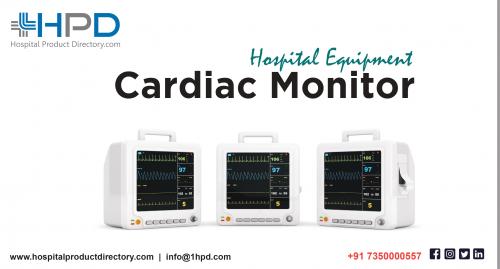
Remote
observing of cardiac expedients made by Cardiac
Monitor Manufacturers decreases infirmary admissions
and period of treatment for heart illness patients. Notwithstanding these assistances,
many cardiology performs are confronted with taking full benefit of this
life-saving skill. Cardiac expedient clinic staff grapples with the extreme
organizational work of remote cardiac monitoring (RCM), piloting to a high
staff renewal rate. Many staff also lack the drill essential to generate
workflows to help these agendas improve medical response time and repayment.
1.
Create clear objectives. Mature clear, quantifiable, and achievable program
objectives rooted in the Quadruple Purpose: refining patient knowledge,
population fitness, and provider fulfilment, while dipping per capita
healthcare prices. Your objectives must drive a tactical execution plan moulded
by the suitable team members in your practice. Teamwork across medical, fiscal,
functioning and know-how parts ensures suitable resources are accessible and
launches translucent lines of interaction.
2.
Put the correct people in the right part with the right training. If you don’t
involve your staff in parts that match their credentials, you may wind up with
poor patient registration, staff exhaustion, and a high staff renewal rate. To
evade these glitches, clearly outline the team parts and errands in your RCM
program. Train your medical, managerial, and fiscal staff. Your medical staff
isn’t the only ones who need steady training. Managerial staff – accountable
for patient registration and instruction, expedient format, and connectivity –
need to comprehend the plans, software, and data movements. Fiscal staff needs
to comprehend coding/ invoicing rules and keep up with altering necessities.
RCM retailers decrease the organizational and data administration load,
releasing your practice staff to essence on delivering care.
3.
Use expertise to systematize workflows. Computerized workflows transport the
right patient information to the right Cardiac
Monitor supplier at the correct time.
Computerization limits inconsistency surges efficacy and maximizes repayment.
To set up your remote cardiac observing procedure, recognize organizational, medical,
and fiscal errands and procedures – such as expedient setup and connectivity,
standards and brinks for device warnings and patient incidents, and suitable
CPT codes. Whenever conceivable, allocate non-clinical errands to non-clinical
staff. Sporadically revise your procedures and etiquettes against program
purposes to evaluate and repeatedly advance the class of care distribution.
4.
Use remote monitoring software to substitute manual procedures and systematize
your workflow and information administration. Select software that produces
brief, actionable expedient accounts, while offering timely notices to
patients, clinic staff, and suppliers. Interruptions in getting alerts, or
accounts that are not assigned to the suitable supplier, will depressingly
influence patient care. HIPAA-compliant RCM software should assimilate with
your EHR, putting accounts in the background of care and refining invoicing and
practice administration. Reconsider your remote monitoring software regularly
to safeguard you’re keeping up with best practices and the latest skill
inventions.
A
correctly operated RCM program, with clear objectives, computerized workflows,
and cutting-edge remote monitoring software, can aid you to advance medical and
fiscal consequences. Associating with a Cardiac Monitor dealer,
who delivers inclusive remote monitoring resolutions decreases the
organizational weight so you can centre on patient upkeep.
Post Your Ad Here
Comments