Hazards and Safe Practices Associated with Compressed and Mixture Gas Cylinders
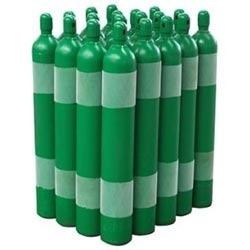
Commonly three types of gases are supplied and used including compressed gases, liquefied gases and dissolved gases. Compressed gases and liquids in portable gas cylinders are used for a variety of tasks in various industries for welding, powering the forklift and in several research labs, and supplied by the leading high pressure gas cylinder suppliers in India.
People across wide range of industries including manufacturing and maintenance, science, education, medical, hospitality etc. use gases from compressed gas cylinders. The pressure at which gases are stored in mixture, compressed or calibration gas cylinders can be extremely high.
Types of Compressed Gases
There are three major groups of gases stored in cylinders including liquefied, non-liquefied and dissolved gases.
· Liquefied gases: These are gases which can become liquids under pressure and at room temperature. Propane, Nitrous Oxide and Carbon Dioxide are the liquefied gases.
· Non-liquefied gases: These are also known as pressurized, compressed or permanent gases. These gases remain gaseous at normal room temperature. Oxygen, Helium, Nitrogen and Argon are the most common examples.
· Dissolved gases: Acetylene is the only common dissolved gas. These gases dissolve in a volatile solvent to stabilize them.
Using compressed gases in laboratory can be dangerous if not handled properly.
Nature of Hazards
As per the nature of hazards, compressed gases are divided into four parts which are as follows:
· Flammable or combustible gases: Gases are flammable if their flashpoints are lower than the normal room temperature. In this case, there is an ever present danger of fire and explosion.
· Poisonous: Exposure to poisonous gases may remain unnoticed for longer periods.
· Corrosive: Gases which cause permanent changes in the skin tissue at the site of contact are corrosive in nature.
· Inert: It is a non-reactive gas and usually a member of noble gas family. These are non-flammable.
Hazards associated
with gas cylinders
The main hazards associated with compressed and mixture gas cylinders are:
· Asphyxiation caused due to gas leakage
· Impact from falling mixture or calibration gas cylinders
· Impact from the blast of a gas cylinder explosion
· Fire resulting from the escape of flammable gas or liquids
· Handling injuries manually
Cause of Accidents
The main causes of accidents associated with compressed and mixture gas cylinders are:
· Inadequate training and supervision while handling
· Poor maintenance and installation
· Faulty designing and faulty equipments
· Improper storage of cylinder
Safe Practices
Observe the following practices while handling any type of compressed, mixture or calibration gas cylinders:
· Contents of the gas cylinder should be clearly identified
· Read all about labels and description of materials
· Do not remove any markings or instructions mentioned by the gas cylinder by suppliers
· Put all cylinders in vertical position always
· Use trolley while handling the gas cylinders
· Use valve caps during transportation of the cylinders
· Store cylinders in cool, dry and well-ventilated areas
· Store cylinders away from the sources of ignition
· Protect cylinders against tempering and damage
Those who handle with any type of gas cylinders should be familiar with potential hazards and nature of gases. Train employees and workers accordingly who handle and use gases and ensure that these are handled in accordance with the safe working practices.
Post Your Ad Here
Comments