Getting eliminate mould in Melbourne Australia
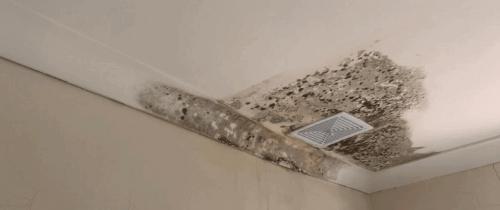
How to Eliminate Moulds?
Eliminating mould in your home takes time and effort-- and
you most likely will not be making use of that 'miracle' mould awesome you
picked up at the grocery store. The majority of our clients are from Melbourne,
Wagga Wagga, Hervey Bay, Coffs Harbour, Canberra, Cairns, Bundaberg, Albury,
Bendigo, and Ballarat.
You mustn't simply overlook mould expanding in your house.
It can emit toxic spores and vapours, which can be dangerous to your health and
wellness, possibly causing allergies, asthma, and flu-like symptoms.
Step 1: Evaluate the damage
Before beginning, exercise what type of surface area the
mould has affixed to:
If the mould gets on something that's super-porous, like fabric,
apparel or furnishings, there's a likelihood it can't be completely called rid
of, and it might need to be thrown out. Anything like wicker baskets, fabrics,
paper, cardboard or rug requires to be chucked away-- don't even trouble with
these surface areas. (And do not just allow carpet dry if there have been water
damages, as mould spores will be left behind, buried in the carpeting fibres.).
Non-porous surfaces such as tough plastics need to be fairly
less complicated to clean up.
Semi-porous surface areas will certainly vary.
Mould in the cement or silicone in your bathroom is worth a
different reference. Once mould gets its hold there, doing away with it is
nearly impossible. When mould expands, it develops hyphae, or roots, which grow
into the grout or silicone. You can cleanse the surface areas of the grout or
silicone, however not deep right into it. In those cases, you have to change
the silicone or re-grout your washroom.
Action 2: Vacuum the mould.
The following step is to vacuum up the mould. However, your
hoover needs a great HEPA filter; otherwise, you could make the problem worse
by spreading the mould around.
Action 3: Eliminate the mould.
Our mould removal in Ceiling specialists suggests
making use of watered down vinegar, which causes mould to eat way too much as
well as pass away.
Exactly how to make use of vinegar to clean mould.
Pour a concentration of 80% vinegar to 20% water into three
buckets.
Grab a microfibre towel, dip it into the initial pail, and
utilise it to clean up a spot of mould.
The same microfibre cloth ought to be rinsed in the second
container, then rinsed once again in the 3rd to guarantee cross-contamination
does not occur.
Microfibre towels, which get too deep into tiny gaps and have
a mild electrical cost, can be bought cheaply and washed on a warm cycle in the
cleaning device with vinegar as much as 100 times.
After utilising vinegar, there might still be streaks or
discolouration on surface areas that you should remove with bleach.
Do mould cleaning items function?
Readily offered mould cleansing products might appear like
they're doing the job, but it's possibly an illusion.
Most of them make use of bleach as an active component.
Specialists we spoke with claim there's evidence that bleach can eliminate
fungi, but it requires a 10% concentration to function.
But also at a higher strength, bleach won't penetrate porous
materials, so if the mould is expanding on plaster, cement or timber, it will
certainly eliminate mould externally, yet not listed below it.
Bleach takes the colour, or melanin, out of fungus, making
it undetectable. So you can't see it anymore, so you believe the bleach has done
its task when that's not always the situation.
Strong bleach is likewise unsafe to cement and floor tiles
as it wears down and wears away the surface areas, making them a lot more
porous, which subsequently makes them extra vulnerable to other fungi
development.
When to call in the Mould Removal Expert.
If mould covers a large area of your residence-- specialists
claim a short overview is a one-metre square-- and is thick, if you have had
flooding, or if homeowners are asthmatic, it's finest to call the mould removal
specialists.
Post Your Ad Here
Comments