Four Foot Diseases Good Hunting Boots Can Fix
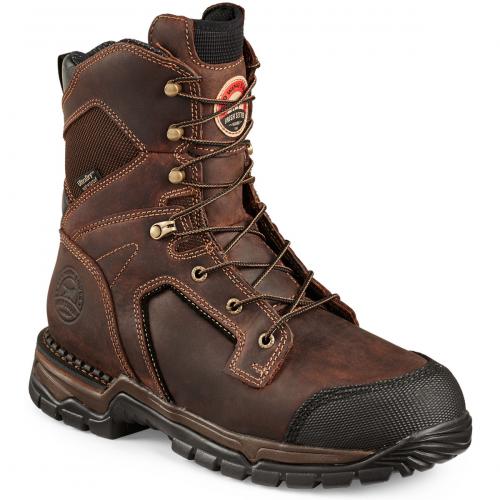
If you go hunting, you know the importance of quality equipment. You need the right rifle, bow-and-arrow, shotgun or crossbow to achieve what you want in the sport. You also need maps, compasses, lanterns, flashlights, matches, bird calls and warm clothing. However, without the right hunting boots, you could have problems on your feet. Here are three possible diseases that hunting boots will prevent.
Trench Foot -- Trench foot occurs when you have prolonged exposure to damp, unsanitary and cold conditions. For example, if you hunt in swamps in northern states, you might be in danger of this disease unless you are wearing proper foot protection. The disease name comes from conditions during World War I where soldiers routinely had to fight in trenches that were unsanitary and wet most of the time. Affected feet may become numb, turning red or turning blue as a result of poor vascular supply. Your feet could begin to smell due to the possibility of the early stages of necrosis. If it goes untreated, the condition will worsen. When it does, feet will become swollen. Advanced trench foot often involves blisters and open sores, which lead to fungal infections, or jungle rot. The worst that can happen is for you to get gangrene, which can cause the need for amputation. If trench foot is treated properly, complete recovery is normal, though it is marked by severe short-term pain when feeling returns. As with other cold-related injuries, trench foot leaves sufferers more susceptible to it in the future.
Tropical Immersion Foot -- Tropical Immersion Foot is sometimes called Paddy foot or Paddy Field Foot. This skin disease of the foot is found in people who are constantly immersing their feet in warm water or mud. The temperatures have to be above 22 degrees Celsius for two to 10 days. The condition is easily treated and prevented.
Warm Water Immersion Foot -- To get warm water immersion foot, your skin must be exposed to warm, wet conditions for 48 hours or more. With this skin condition, you will experience maceration ("pruning"), blanching and wrinkling of the soles, padding of toes and padding of the sides of the feet. Large watery blisters appear that are painful when they open and begin to peel away from the foot itself. The heels, sides and bony parts of the feet are marred with large areas of extremely sensitivity. There are red tissue, exposed areas of the skin, and the foot is prone to infection. When it gets worse, you will see more blisters due to prolonged dampness that eventually fills the heel and/or other large, padded sections of the foot. The undersides and toes are especially vulnerable. Each layer in turn peels away resulting in deep, extremely tender, red scars. You will have to clean your feet and dry them. They must be exposed to air for weeks to ensure you are healed properly. Natural remedies also might help with healing your feet. Scarring is permanent with dry, thin skin that appears red for up to a year or more. The padding of the feet returns but healing can be painful as the nerves repair with characteristics of diabetic neuropathy.
Fungal and Bacterial Diseases -- Besides the immersion diseases, you could come in contact with bacteria or fungi that will cause diseases to your feet. That happen because you expose your feet to a warm, dark, humid place that is perfect for fungus. Fungal and bacterial conditions are known for dry skin, redness, blisters, itching and peeling. If not treated right away, an infection may be hard to cure. Keep your feet dry and change your socks often. Wear proper foot protection and use good hunting boots.
Post Your Ad Here
Comments