Fostering Excellence: A Comprehensive Guide to Private Schools in Bahrain
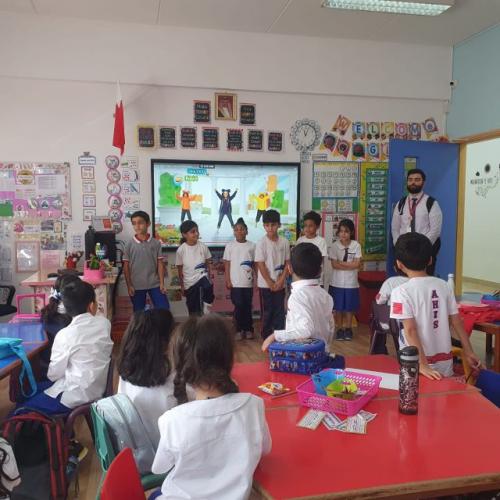
Private schools play a
crucial role in providing diverse and high-quality educational experiences to
students in Bahrain. In this comprehensive guide, we will explore the landscape
of private schools in Bahrain, examining the key features, advantages, and
considerations for parents seeking the best educational opportunities for their
children.
The Diversity of Private Schools in Bahrain:
Bahrain is home to a wide
array of private schools, each offering a unique educational experience. These
schools cater to the needs of both the local Bahraini population and the
expatriate community, creating a diverse and enriching environment for
students. The variety of curricula, teaching philosophies, and extracurricular
activities offered by private schools contribute to the robustness of Bahrain's
educational landscape.
Advantages of Private Schools in Bahrain:
1.
International Curricula:
Private schools in Bahrain
often offer international curricula, such as the British, American, or
International Baccalaureate (IB) programs. This diversity allows parents to
choose an educational approach that aligns with their preferences and
aspirations for their child's future.
2. Smaller
Class Sizes:
Private schools typically
maintain smaller class sizes compared to public schools. This lower
student-to-teacher ratio enables educators to provide personalized attention to
each student, fostering a more engaging and supportive learning environment.
3. State-of-the-Art
Facilities:
Many private schools in
Bahrain invest in modern facilities, including well-equipped classrooms,
science laboratories, libraries, and sports facilities. These resources
contribute to a comprehensive educational experience and provide students with
the tools they need to excel in their studies.
4. Diverse
Extracurricular Programs:
Private schools recognize
the importance of a well-rounded education. Therefore, they often offer diverse
extracurricular programs, including sports, arts, music, and community service.
These activities enhance students' creativity, leadership skills, and social
development.
5. Qualified
and Experienced Faculty:
Private schools prioritize
hiring qualified and experienced educators. Teachers in private schools often
hold advanced degrees in their respective fields and are dedicated to providing
a high standard of education. This commitment to quality instruction contributes
to the overall success of private schools.
6. Cultural
Diversity:
Bahrain's private schools
attract a multicultural student body, reflecting the international nature of
the Kingdom. This cultural diversity provides students with exposure to different
perspectives, fostering an environment of tolerance, understanding, and global
awareness.
7. Parental
Involvement:
Private schools often
encourage active parental involvement in their child's education. Regular
parent-teacher meetings, workshops, and events create a strong partnership
between educators and parents, ensuring a collaborative approach to a student's
academic journey.
Considerations When Choosing a Private School:
1. Curriculum
Alignment:
Consider the curriculum
offered by the school and how well it aligns with your educational goals for
your child. Some private schools follow international curricula, while others
may offer a mix of national and international programs.
2.
Accreditation and Reputation:
Ensure that the private
school is accredited by reputable educational bodies. Accreditation is an
assurance of quality and adherence to educational standards. Additionally,
consider the school's reputation within the community and its track record of
academic success.
3.
Extracurricular Offerings:
Evaluate the
extracurricular programs offered by the school. These activities play a crucial
role in a child's holistic development. Consider whether the school provides a
diverse range of options that cater to your child's interests and passions.
4. Facilities
and Resources:
Assess the school's
facilities and resources, including classrooms, laboratories, libraries, and
sports facilities. A well-equipped school provides an environment conducive to
learning and exploration.
5. Student
Support Services:
Inquire about the student
support services available at the school. This includes counseling services,
special education programs, and resources for students with diverse learning
needs. A supportive environment ensures that every student can thrive
academically and emotionally.
6. Faculty
Qualifications and Turnover:
Investigate the
qualifications and experience of the teaching faculty. Low faculty turnover is
often indicative of a stable and positive work environment. A committed and
experienced teaching staff contributes to the overall quality of education.
7. Community
and Parental Involvement:
Consider the level of
community and parental involvement in the school. Active engagement from
parents and a sense of community contribute to a supportive educational
environment and can enhance the overall educational experience for students.
Conclusion:
Private schools in Bahrain
play a crucial role in shaping the educational landscape of the Kingdom. With a
commitment to providing diverse curricula, state-of-the-art facilities, and a
supportive learning environment, these schools contribute to the holistic
development of students. As parents navigate the educational choices available
in Bahrain, considering factors such as curriculum alignment, accreditation,
extracurricular offerings, and community engagement will help them make
informed decisions.
Post Your Ad Here
Comments