Exploring the Rich World of Ceramic Tribal Art
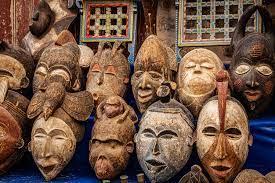
In a world filled with artistic expressions, ceramic tribal art stands out as a unique and captivating form that seamlessly weaves culture, tradition, and creativity. This article delves deep into the rich world of ceramic tribal art, shedding light on its history, techniques, and the modern-day interpretations that continue to captivate art enthusiasts worldwide.
Ceramic Tribal Art: A Glimpse into History
Ceramic tribal art is a testament to the artistic prowess of indigenous communities across the globe. This ancient art form dates back thousands of years and carries with it the stories, traditions, and customs of diverse cultures. From the intricate pottery of Native American tribes to the vibrant ceramics of African tribes, this art form is a living testament to the rich tapestry of human history.
Techniques Behind the Craft
One of the most fascinating aspects of ceramic tribal art is the diverse techniques employed by different tribes. These techniques have been passed down through generations, preserving the authenticity and uniqueness of each culture's artistry.
Hand-Coiled Pottery: Many indigenous tribes, such as the Pueblo people in North America, employ hand-coiled pottery techniques. They roll long, thin coils of clay and layer them to form vessels of various shapes and sizes. The final product often features intricate designs and is typically fired using traditional methods.
Pit Firing: In Africa, several tribes utilize pit firing techniques. They dig a pit, place the pottery inside, and surround it with combustible materials like wood and leaves. As the materials burn, the pottery undergoes a unique firing process, resulting in distinct patterns and colors.
Slab Building: Some tribes, like the Zuni in the American Southwest, employ slab building techniques. They create flat pieces of clay, cut them into shapes, and then assemble them to craft intricate pottery and sculptures. The finished pieces are often adorned with traditional motifs and symbols.
Cultural Significance
Ceramic tribal art is deeply rooted in culture and tradition. Each piece of art tells a story, reflects the beliefs of the tribe, and serves a specific purpose within the community.
Ceremonial Art: Many tribal ceramics are used in rituals and ceremonies. They play a crucial role in connecting the tribe with their ancestors and spiritual beliefs. These pieces are often considered sacred and are passed down through generations.
Functional Art: While some tribal ceramics have a ceremonial purpose, others are utilitarian. These include pottery for cooking, storing food, or carrying water. Despite their practicality, these pieces are often intricately decorated and represent the tribe's aesthetic sensibilities.
Contemporary Interpretations
Ceramic tribal art has transcended its traditional boundaries and found a place in the contemporary art scene. Artists from diverse backgrounds are incorporating tribal techniques and motifs into their work, creating a fusion of tradition and innovation.
Modern Tribal Fusion: Contemporary artists often blend tribal techniques with modern materials and concepts. This fusion gives birth to unique artworks that bridge the gap between tradition and the present.
Cultural Preservation: Many artists are actively working to preserve and promote tribal artistry. By collaborating with indigenous communities and learning traditional techniques, they ensure that this rich heritage continues to thrive.
Collecting and Appreciating Ceramic Tribal Art
If you're drawn to the allure of ceramic tribal art, there are various ways to explore and collect these masterpieces. You can visit art galleries, attend exhibitions, or connect with artists and indigenous communities directly. Collecting tribal ceramics not only adds cultural depth to your art collection but also supports the preservation of these ancient traditions.
Conclusion
Ceramic tribal art is a remarkable testament to the creativity and cultural significance of indigenous communities worldwide. Its history, diverse techniques, and contemporary interpretations make it a fascinating subject for art enthusiasts and collectors alike. Whether you're captivated by its beauty or inspired by its cultural richness, ceramic tribal art continues to be a source of awe and admiration across the globe. Explore this art form to embark on a journey through time and culture, appreciating the enduring legacy of tribal craftsmanship.
Post Your Ad Here
Comments