Exploring the Legacy and Innovation of Printers in Belfast
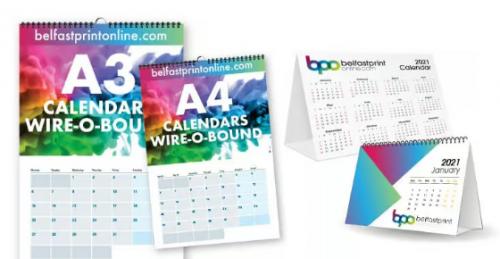
Belfast, the vibrant capital of
Northern Ireland, is a city renowned for its rich history and dynamic cultural
landscape. Among its many contributions to the world, Belfast has a noteworthy
legacy in the realm of printing. This article delves into the historical
significance and modern advancements of printing in the city, illustrating how
Belfast has evolved from a traditional print hub to a beacon of innovation.
Historical Roots
The story of printing in Belfast
dates back to the 18th century, a period when the city was burgeoning as a
centre of trade and industry. The arrival of the printing press in Belfast
marked a significant turning point, enabling the rapid dissemination of
information and ideas. Early printers in Belfast played a crucial role in the
spread of literature, political pamphlets, and newspapers, which were vital in
an era of burgeoning public discourse.
By the 19th century, Belfast’s
printing industry was flourishing. The city's printers were not only producing
books and newspapers but also experimenting with new techniques and
technologies. This period saw the introduction of steam-powered presses, which
revolutionised production capacity and efficiency. The ability to produce large
volumes of material quickly and cost-effectively helped establish Belfast as a
key player in the printing sector.
The 20th Century: A Hub of
Innovation
The 20th century brought further
advancements and challenges to Belfast’s printing industry. During this time,
the city witnessed significant technological innovations, such as offset
printing and digital typesetting. These developments transformed the industry,
allowing for even greater precision and speed in print production.
Belfast's printers adapted to
these changes, embracing new technologies and expanding their capabilities. The
introduction of colour printing and improved materials meant that Belfast’s
print outputs were increasingly sophisticated, catering to a growing demand for
high-quality publications.
However, the industry was not
without its struggles. The latter half of the century saw the decline of
traditional print media, as digital technologies began to reshape the media
landscape. Newspapers and magazines faced declining circulations, and many
print businesses in Belfast had to pivot or shut down.
Embracing the Digital Era
As the 21st century unfolded,
Belfast's printing industry faced the challenge of adapting to the digital age.
The rise of the internet and digital media fundamentally changed the way
information was consumed, leading to a decline in traditional print products.
Despite these challenges, Belfast’s printers demonstrated remarkable resilience
and adaptability.
Many printing companies in
Belfast transitioned to offer digital and on-demand printing services, which
catered to the new needs of businesses and individuals. The rise of digital
printing technologies allowed for greater customisation and shorter turnaround
times. Local printers began offering a wide range of services, from
personalised marketing materials to specialised niche publications.
Belfast also saw a growth in
innovative print applications, including 3D printing and sustainable printing
practices. The city’s printers embraced eco-friendly materials and processes,
reflecting a broader global trend towards sustainability. This commitment to
environmental responsibility has become a defining feature of Belfast’s modern
printing industry.
The Future of Printing in Belfast
Looking ahead, Belfast’s printing
industry continues to evolve. The city’s printers are at the forefront of
integrating cutting-edge technologies, such as augmented reality and
interactive print. These advancements promise to enhance the way information is
presented and engaged with, offering new possibilities for both businesses and
consumers.
Moreover, Belfast’s strong
educational institutions and research facilities are playing a pivotal role in
driving innovation within the industry. By fostering collaboration between
academia and industry, the city is positioning itself as a leader in print
technology and design.
In conclusion, the legacy and
innovation of printers Belfast
reflect the city’s broader journey of growth and adaptation. From its
historical roots in the 18th century to its current status as a hub of
technological advancement, Belfast’s printing industry has demonstrated a
remarkable capacity for resilience and innovation. As the industry continues to
evolve, Belfast remains a vibrant centre of print excellence, bridging the gap
between tradition and the future.
Post Your Ad Here
Comments