Easy Made Teas and Its Benefits
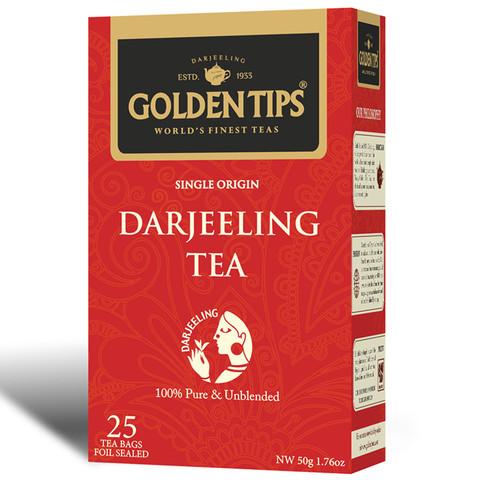
The tea planting in the Indian district began in the year 1841 by Arthur Campbell, a civil surgeon of the Indian Medical Service. When he was transfer to Kathmandu, Nepal in 1839, he brought seeds of the Chinese tee plant in 1841 from Kumaun and began to do some experiments with the method of tea planting in Darjeeling his former place of residence. By 1850s, commercial development started and six years after, the Alubari tea garden was opened by the Kurseong and Darjeeling Tea company, before others became into existence.
Darjeeling teas are traditionally classified as a type of black tea. The luxury Darjeeling style utilizes a hard wither of about 35-40% remaining leaf weight after withering, which thereby causes an imperfect oxidation for many of the best teas of this term. It also serves as an oxidizer to levels of green, oolong, and black.
First flush as one of its varieties is harvested in mid-March of the year following spring rains, and has a gentle very light color, aroma, and mild astringency. It also contains satisfying balance of sweetness and astringency that’s frequently hard to find in good tea.
In between is another form of variety which is harvested between the two “flush” periods.
Second flush is also among the varieties of Darjeeling which is harvested in the month of June thereby producing an amber, full bodied and muscatel-flavored cup.
Monsoon or rains is also included and it’s harvested in the monsoon or rainy season between the second flush and autumnal, is less withered, even more oxidized, and usually sold at lower prices.
Autumnal flush is also harvested in the autumn after the rainy season, and has fairly less fragile flavor with less spicy tones, but has fuller body and darker color.
The Darjeeling black tea has a flavor of French grapes and Himalayan mountain air with a taste like wine than other tea. Even those who do not like drinking tea, our good Darjeeling is so motivating that it cannot be rejected. It is habitually called the “Champagne of teas” with Musky-sweet tasting notes related to Muscat wine.
There is another type of tea that is named after its region of production and was manufactured basically from the plant. This tea in question is known as Assam green tea and most of it is grown at or near sea level. It consists of briskness, strong and malty flavor, bright color which is normally sold as breakfast teas. The state of Assam is known to be the world’s largest tea-growing region, lying on any of the sides of the Brahmaputra River and it is in-between Bangladesh and Burma.
The daytime temperature rises to about 103F (40OC), thereby creating greenhouse-like appearance of extreme humidity and heat. The tropical climate therefore contributes to Assam’s unique malty taste, a quality for which this tea if popularly known.
Post Your Ad Here
Comments