Driving Growth: Unveiling the Economic Influence of Tractor Adoption in Australian Agriculture
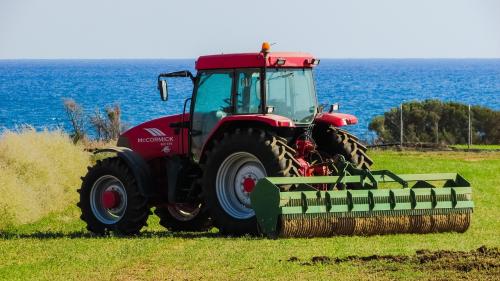
In the vast expanse of Australia's agricultural landscapes, the adoption of tractors has been pivotal in shaping the efficiency and productivity of farming operations. This blog post embarks on a journey to uncover the profound economic impact stemming from the widespread adoption of tractors in Australian agriculture. Through a meticulous case study analysis, we delve into the tangible benefits that tractors bring to farmers, agribusinesses, and the broader economy.
The Rise of Tractor Adoption:
Tractor adoption in Australian agriculture has witnessed a steady ascent over the decades, propelled by advancements in technology and evolving farming practices. With tractors serving as versatile workhorses across diverse agricultural domains, from cropping to livestock management, their significance cannot be overstated. According to recent statistics, the Australian agricultural machinery marketplace has seen a surge in demand for tractors, with a notable increase in sales and investments in modern tractor models equipped with cutting-edge features and functionalities.
Enhanced Efficiency and Productivity:
One of the primary drivers behind the widespread adoption of tractors in Australian agriculture is the profound enhancement in efficiency and productivity that they facilitate. Unlike traditional methods reliant on manual labor or animal power, tractors offer unmatched power and speed, allowing farmers to accomplish tasks with unprecedented precision and timeliness. For instance, in the realm of land preparation, tractors equipped with advanced implements can plow, harrow, and seed vast expanses of land in a fraction of the time it would take using conventional methods. This efficiency translates into tangible economic gains for farmers, enabling them to optimize resources and maximize yields while reducing labor costs.
Economic Empowerment of Farmers:
Tractor adoption plays a pivotal role in empowering Australian farmers to overcome operational challenges and seize new opportunities in an increasingly competitive agricultural landscape. By investing in tractors for sale, farmers can unlock a myriad of benefits, ranging from streamlining day-to-day operations to expanding the scale of their agricultural enterprises. For instance, smallholder farmers can leverage the versatility of tractors to diversify their crops, optimize irrigation practices, and implement precision farming techniques tailored to their specific landholdings. Moreover, by reducing dependency on manual labor, tractors enable farmers to reallocate resources towards strategic investments in technology, inputs, and infrastructure, thereby fostering long-term sustainability and resilience.
Contribution to Rural Economies:
Beyond the confines of individual farm gates, the widespread adoption of tractors reverberates throughout rural economies, catalyzing growth, and prosperity across interconnected sectors. As farmers harness the capabilities of tractors to increase agricultural output and efficiency, the ripple effects are felt in downstream industries such as agribusiness, transportation, and manufacturing. For instance, the demand for tractor-related services, including maintenance, repair, and customization, creates employment opportunities in rural communities, supporting livelihoods and fostering economic resilience. Moreover, the availability of modern tractors for sale stimulates investment in local machinery dealerships and agricultural equipment manufacturing, further bolstering regional economies.
Unlocking Export Opportunities:
The economic impact of tractor adoption extends beyond domestic boundaries, positioning Australia as a global leader in agricultural innovation and technology. With a reputation for producing high-quality agricultural machinery, Australian manufacturers and exporters capitalize on the growing demand for tractors in international markets. By leveraging their expertise in engineering, design, and precision manufacturing, Australian companies secure lucrative export contracts, contributing to the country's trade balance and fostering economic growth. Furthermore, the adoption of tractors equipped with advanced features such as GPS guidance systems and telematics enhances the competitiveness of Australian agricultural products in global markets, meeting the evolving needs of discerning consumers and buyers.
Investment in Technological Advancements:
Tractor adoption serves as a catalyst for ongoing investment in technological advancements and innovation within the Australian agricultural sector. As farmers seek to maximize the potential of their tractors for sale, manufacturers and technology providers respond by developing cutting-edge solutions tailored to the unique needs and challenges of Australian agriculture. From autonomous tractors capable of self-driving operations to precision agriculture technologies that optimize resource utilization, the continuous evolution of tractor technology drives efficiency gains and cost savings for farmers. Moreover, collaboration between industry stakeholders, research institutions, and government agencies fosters a culture of innovation, driving the development of sustainable farming practices and solutions for future challenges.
Sustainability and Environmental Stewardship:
In addition to driving economic growth, tractor adoption plays a crucial role in advancing sustainability and environmental stewardship within the Australian agriculture sector. By embracing precision farming techniques facilitated by tractors, farmers can minimize input usage, reduce environmental impact, and enhance resource efficiency. For example, the adoption of GPS-guided tractors enables precise application of fertilizers, pesticides, and water, minimizing wastage and mitigating the risk of environmental contamination. Furthermore, the integration of renewable energy technologies such as solar-powered tractors contributes to the reduction of greenhouse gas emissions and dependence on fossil fuels, aligning with Australia's commitments to combat climate change and promote sustainable development.
Challenges and Opportunities Ahead:
While the economic impact of tractor adoption in Australian agriculture is undeniable, challenges and opportunities lie ahead on the horizon. From the need to address issues of accessibility and affordability for smallholder farmers to navigate regulatory frameworks and market dynamics, stakeholders must collaborate to ensure that the benefits of tractor adoption are equitably distributed across the agricultural value chain. Moreover, as the pace of technological innovation accelerates, farmers must embrace lifelong learning and skills development to harness the full potential of modern tractors and emerging technologies.
Case Studies: Tractors in Action
To understand the real-world impact of tractors, let's look at some specific examples. A 2019 study by the University of Melbourne analyzed the adoption of tractors in wheat production. They found that tractor use led to a 25% increase in wheat yields between 1950 and 2000. This translated to a 40% increase in farm income during the same period. Another study, focusing on dairy farms in Victoria, showed that tractors reduced labor costs by 50%, allowing farmers to significantly expand their herd size.
These are just two examples, but they paint a clear picture. Tractors transformed Australian agriculture from a labor-intensive industry to a mechanized powerhouse. This transformation boosted the economy, increased food production, and improved the lives of countless farmers.
Conclusion:
The economic impact of tractor adoption in Australian agriculture transcends mere mechanization, driving transformative change and unlocking new pathways for growth and prosperity. By embracing innovation, efficiency, and sustainability, farmers and industry stakeholders can harness the power of tractors to cultivate a brighter future for Australian agriculture. As tractors continue to evolve as indispensable tools in the agricultural toolbox, their role in shaping the economic landscape of rural Australia remains ever-essential, fostering resilience, competitiveness, and prosperity for generations to come.
Post Your Ad Here
Comments