Company Voluntary Arrangement: A quick Guide
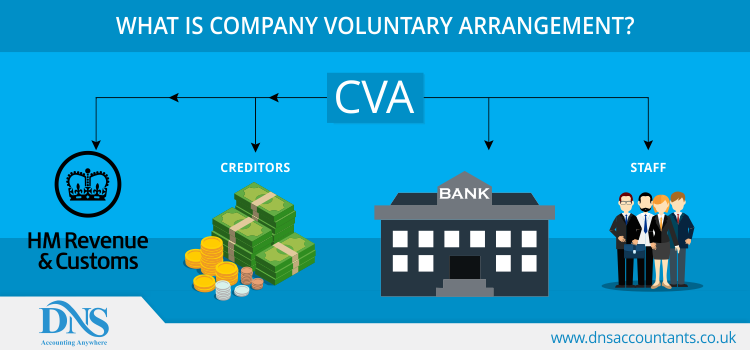
Company Voluntary Arrangement (CVA) can be used to renegotiate the terms and amounts of company debt and repay them over a period of up to three to five years.
What is a Company Voluntary Arrangement (CVA)?
The Company Voluntary Arrangement is also known as CVA in UK provides a way for companies with its creditors regarding repayment of full or a part of its debts over a fixed period of time, and offers the opportunity to address issues surrounding management and operational systems that were not working.
A Company Voluntary Arrangement is a legally binding agreement with your company's creditors to allow a proportion of its debts to be paid back over time. The proposal gets 75% of votes from the creditors, who voted need to support the proposal. CVA is a formal deal between an insolvent business and its creditors (lenders), usually for three to five years.
If you have any query about accounting services,
you can book a free consultation today with Milton
Keynes Accountants.
- It is a flexible so creditors see a better return.
- Debt repayments are consolidated into one single payment.
- Can freeze interest and charges.
- Stops pressure from VAT, PAYE and tax payments
- Legally-binding tool that offers protection from creditors.
- Terminates employment and supply contracts.
However there are also Disadvantages of Company Voluntary Arrangement (CVA)
- Some creditors may dislike the length of time that a CVA takes.
- The company has no credit rating, so this can difficult to run with current supplier.
- Obtaining agreement from the bank may be challenging.
- The proposal is then filed at court, where it is printed and sent out to all creditors.




Post Your Ad Here
Comments