Cold Weather and Gas Station Operations
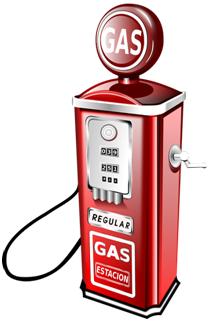 Although winter season brings joy
for many people, it brings a number of problems for gas station owners and
operators. On one hand, fuel demands increase as the temperature falls; on the
other hand, its dispensing efficiency may decrease considerably.
Although winter season brings joy
for many people, it brings a number of problems for gas station owners and
operators. On one hand, fuel demands increase as the temperature falls; on the
other hand, its dispensing efficiency may decrease considerably.
Since gasoline is stored underground, the use of metal tanks and leak proof piping used for storage ensures adequate thermal insulation. Thus, changes in the temperature do not have much effect on the stored fuel.
The gasoline, though, needs to be transferred to the dispensing units and out of it. The various gas station equipment involved - including tanks, hoses and nozzles - can make this process extremely difficult.
Most of these equipment cannot endure extreme temperatures and dysfunction. Here are some of the most common problems encountered by the operators:
Valve freezing
Every gasoline storage tank has some moisture content which can condense if stored long enough.
The water then flows before the gasoline into the dispensing units. In freezing temperatures, this may result in condensation and subsequent freezing on the inner walls of the containers. If any of the valves are upstream of the gas inlet, these would block and become unusable. This particularly happens in metal based equipment, as the metal surface cools considerably in low temperatures.
However, if the valve is in the downstream, it generally does not get blocked.
Filter blockage
The water content also provides a feasible environment for bacterial growth. In winters, the moisture can easily transfer to the dispensing unit and reach the dispenser filters. This can result in filter blockage in dispensers and cause a diminished flow. It is usually recommended to check and change the filter when the volume flow decreases to half of the normal rate. Frequent filter changing can be an indication of some other problem in the system.
Nozzle and hose freezing
In extremely cold weather conditions, the nozzles and hoses can freeze up if idle for hours. This can cause failure to dispense the fuel when used.
These problems can decrease the efficiency of fuel transfer and have a bad impact on the gas station bottom line.
However, most of these problems can be solved by using equipment particularly designed for such conditions. For example, auto shut nozzles are a better choice for stations in colder regions. Such auto lock nozzles and other service station equipment are available at the John W. Kennedy Co. at affordable prices.
Post Your Ad Here
Comments