Choosing the Best Daily Vitamins for Your Kids
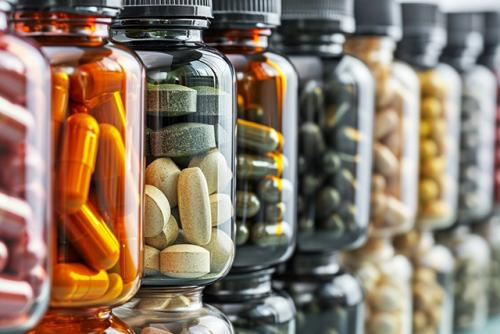
You know, back when I first started paying attention to what my kids were eating—not just if they were eating—I realized how easy it is to assume a full plate means full nutrition. But the truth? In today’s fast-paced American lifestyle, even the most well-intentioned meals can fall short, especially when you’re juggling soccer practice, Zoom calls, and whatever mystery vegetable your toddler just threw across the room.
Vitamins for kids aren’t just a backup plan anymore—they’re becoming a necessary bridge. Between processed snacks, picky appetites, and post-pandemic immune concerns, it’s no wonder pediatricians are seeing more parents ask about multivitamins, probiotics, and supplements. And honestly, I’ve been one of them. The CDC, FDA, and even sites like Kids Health and NIH have been pushing clearer guidelines lately. You’ll see things like “recommended daily intake for child nutrients” and talk about immune support that, well, didn’t seem urgent a decade ago—but now? Now it matters.
What I’ve found is, understanding the real role of children’s vitamins today takes more than just grabbing the “best multivitamin for kids” off the shelf. You’ve got to know what your child actually needs, where those needs typically go unmet, and how to tell the difference between helpful guidance and just flashy marketing.
So let’s break it down—starting with where most American kids are missing key nutrients, and what that means for your daily routine.
Why Kids Need Daily Vitamins
You see, this isn’t just about giving your kid a chewable dinosaur so you feel like you’re covering their bases. It’s about closing real nutritional gaps—ones that are surprisingly common, even in households that try to eat “healthy.”
In my experience, even parents who cook meals at home struggle with this. Why? Well, three big reasons:
-
Picky eating is way more widespread than people admit. According to the USDA, up to 25% of young children fall into the “picky eater” category—and honestly, I think that number’s low. When your kid only wants plain noodles and applesauce for three days straight, you're not hitting calcium, iron, or vitamin D targets. Not even close.
-
Food deserts and convenience foods skew daily intake. Many families don’t live near fresh produce or just don’t have time to prep it. So they lean on processed snacks, school lunches, or fast food—and these often lack micronutrients essential for growth.
-
The RDA for children keeps evolving. What I've found is that even when you're mostly getting it right, small but consistent nutrient gaps—like low magnesium or B12—can fly under the radar. Especially for growing kids.
Key Nutrients to Look For
When you're choosing a daily vitamin for your child, it’s not just about picking the bottle with the cartoon bear on it. You’ve got to know what’s inside—and more importantly, why it matters by age.
From what I’ve seen (and messed up early on, to be honest), different ages have wildly different needs. Toddlers? They’re growing bones and brains like crazy. Tweens? Their metabolism’s firing on all cylinders, but appetite swings make things tricky. And teens? Well, if you’ve got one who eats vegetables willingly, consider yourself lucky.
Here’s a quick breakdown I keep in mind:
-
Vitamin D – Crucial for calcium absorption and bone strength. The Vitamin D Council still calls it one of the most under-consumed nutrients in kids.
-
Iron – Especially key for toddlers and menstruating teens. Low iron can tank energy and brain development.
-
Calcium – Think bone density, especially in those pre-puberty years.
-
Vitamin A & C – Immune system MVPs. I mean, who wants a sick household every other week?
-
B12 – Supports energy and brain health. Some picky eaters (and vegetarians) miss it entirely.
Choosing the Right Vitamin Form: Gummies, Chewables, or Liquids?
Let’s be honest—getting your kid to take vitamins can feel like negotiating with a tiny, very picky diplomat. And in my experience, the form you choose makes all the difference.
Gummy vitamins are hands-down the most popular with younger kids. They taste like candy (sometimes too much like candy), they’re easy to chew, and let’s face it—you’ll probably sneak one yourself now and then. But here’s the thing: most gummies are packed with sugar or sugar alcohols, and pediatric dentists have raised red flags about the sticky residue they leave behind. The American Dental Association even recommends brushing right after to avoid enamel erosion—something most toddlers definitely won’t do on command.
Chewables tend to have less sugar and a bit more nutrient density, which I’ve found useful for kids 4 and up. They’re firmer, so not great for toddlers (choking hazard alert), but they usually don’t stick to teeth as badly. Some brands, like NuBest Nutrition, even offer chewables that blend growth support with immune ingredients—smart if you’re aiming for a one-and-done solution.
Then there’s liquid vitamins, which, I think, are seriously underrated—especially for younger kids or those with sensory issues. You can mix them into juice or yogurt, and absorption tends to be better, especially for fat-soluble vitamins. Downside? They spoil faster and some just taste weird, no matter how “natural” the flavoring agent claims to be.
So, what’s the best vitamin form for your child? That really depends on age, taste preferences, and your morning routine chaos level. Personally, I rotate between chewables and liquid, depending on the week. Keeps things interesting (and my kids less suspicious).
Now, let’s break down what to look for in a quality supplement—beyond just flavor and form
Top Trusted Vitamin Brands in the U.S.
You’d think choosing a kids' vitamin would be simple, right? But walk into any store—or scroll Amazon for five minutes—and you're buried in gummies, liquids, chewables, labels you’ve never seen, and claims that honestly sound too good to be true. So when parents ask me which brands I actually trust, I always start with one word: certification.
NSF Certified and USP Verified labels are your best friends here. These third-party certifications aren’t just for show—they confirm the ingredients actually match what’s on the label, and that there are no nasty fillers hiding behind the scenes. Trust me, I’ve learned (the hard way) that not every vitamin is what it says it is.
Now, when it comes to brands, a few names consistently rise to the top. SmartyPants has built a loyal following thanks to its clean formulations and solid transparency—you’ll find a mountain of real parent reviews backing it up. Flintstones is the classic (though a bit polarizing, flavor-wise). NuBest Nutrition, in my opinion, offers one of the more targeted ranges for growth and bone support—especially if you're focused on long-term height development. Olly and Zarbee’s lean into naturally sourced ingredients, and L’il Critters? Well, that’s the one my niece calls “candy-vitamins,” so take that for what it’s worth.
What I’ve found is that the best choice comes down to what you value—clean labels, doctor recommendations, no artificial dyes, whatever it may be. But if you're sticking with brands that are third-party tested and heavily reviewed, you're off to a strong start.
Next, let’s talk about how to actually read those supplement labels without needing a PhD in nutrition.
What to Avoid in Kids' Vitamins
Here’s the thing—just because a bottle says "made for kids" doesn’t mean it’s automatically safe or healthy. In fact, some of the worst offenders are the ones with the brightest labels and cartoon mascots (you know the ones I’m talking about).
First red flag? Artificial dyes. Look out for things like Red 40 or Yellow 6—they’ve been flagged by consumer advocacy groups and are still oddly common in kids' supplements. The FDA allows them, sure, but that doesn’t mean they’re ideal for developing brains. In my experience, if the vitamin looks like a Skittle, dig deeper into the label.
Next up: excessive sugar or high fructose corn syrup. I’ve seen some kids’ gummies with more sugar than a cookie. It’s wild. And when you’re giving them daily? That adds up—not great for teeth, blood sugar, or behavior. Even some so-called "sugar-free" ones sneak in questionable flavoring agents and sugar alcohols that can mess with digestion.
Also—this is a big one—watch for unverified health claims. If it promises miracle growth or immune boosts without NSF certification or a nod from ConsumerLab, be skeptical. What I've found is that quality brands like NuBest Nutrition tend to stay transparent, while lower-tier ones lean hard on marketing fluff.
When (and How) to Give Your Kids Vitamins Without the Guesswork
If you’ve ever stood in the kitchen holding a gummy vitamin at 4 p.m. and wondering, “Wait… did I already give this today?”—you’re not alone. I’ve been there. Honestly, vitamin timing and dosage can feel oddly complicated for something that’s supposed to be simple. And the stakes are higher than people realize—because too much of a good thing? It’s still too much, especially when we’re talking about fat-soluble vitamins or iron.
What I’ve found is that timing, pairing with meals, and sticking to age-appropriate dosing really makes or breaks how effective (and safe) your kids’ vitamins are. And while some brands give you guidelines, they’re not always tailored to your child’s actual routine or nutritional needs. That’s why I always tell parents to go beyond the bottle—check with pediatricians, use trusted dosage calculators from health.gov, and make sure you're syncing vitamins with your child's real eating habits.
So, how do you actually build a routine that works—without forgetting, overdosing, or turning it into a morning meltdown? Let’s get into that next.
Real Food vs Supplements: What Actually Fuels Your Kid’s Growth?
Let’s be real—if kids actually ate enough leafy greens, rainbow-colored fruits, and those suspiciously “whole grain” cereals, this conversation probably wouldn’t exist. But you and I both know that in the real world (hello, lunchboxes filled with beige carbs), vitamins often fill in the nutritional potholes. That said, supplements should never be a replacement for real food—and that’s something I’ve learned the hard way.
I used to think a multivitamin could just "cover the bases," but what I’ve found is that your child absorbs nutrients best from food, period. According to MyPlate.gov and the American Dietetic Association, meals rich in whole foods—like spinach, salmon, bananas, and even fortified oatmeal—deliver vitamins with enzymes, fiber, and co-factors that pills simply can't replicate.
Here’s a quick side-by-side I use to explain it to other parents:
| Natural Food Sources | Supplements |
|---|---|
| Nutrients in their original, complex form | Isolated nutrients, often synthetic |
| Includes fiber, antioxidants, and enzymes | Lacks fiber; no digestive synergy |
| Lower risk of overdose | Easy to overdo if you're not careful |
| Takes effort and planning (let's be honest) | Convenient, especially for picky eaters |
Now, am I saying throw away the vitamins? Not at all. In fact, I use NuBest Nutrition’s supplement line for my own kids during growth spurts. But if you’re relying on chewables while skipping dinner vegetables? That’s where things fall apart.
So, how do you strike a better food-vs-supplement balance without turning every meal into a battle? Let’s get into that next.
Post Your Ad Here
Comments