Challenges Faced By Refrigerated Couriers and Solutions Thereof
Inside reports on the cold chain industry reveal some grim facts which may put ancillary industries in threat. The facts are as follows:
- Cold chain industry is not sure of providing the best and the safest environment for potential vaccines. Thus, may be unable to supply vaccines
- Performance gaps have reportedly been identified
- Inefficient as well as suboptimal capacity of the existing cold chain facilities are affecting availability of safe vaccines
- Vaccines are now at risk resulting from lack of various maintenance systems which include temperature monitoring
- Interventions are being recommended to investigate such performance gaps
Every day, there are hundreds of vaccines rolling in to help the world survive threats brought upon by illnesses. In this regard, the cold chain industry is continuously trying to offer support for human immunization. Cold Couriers systems across Brisbane and other parts of the world are working towards effective storage and transportation of vaccines to different locations. Their main aim is to boost the availability of vaccines. The cold chains are trying rigorously to identify various causes behind disruption of the chain’s performance.
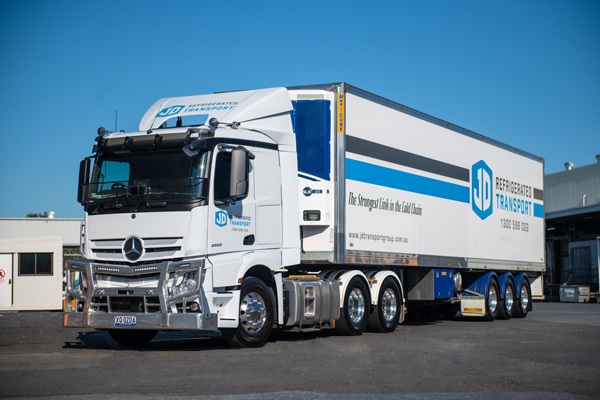
Various challenges faced by the cold chain supply
Several developing countries are facing challenges with vaccine supply and delivery. There are various contextual factors which are posing constraints to the industry; thus limiting immunization programs from meeting daily requirements. The geographic expansion of the industry is based on the demand for immunization which has been constantly increasing. Reaching out to mammoth number of people is becoming difficult with the cold chain experiencing copious difficulties.
Additionally the industry faces contextual challenges brought upon by diverse settlement, thus restricting capabilities of cold chain. Meanwhile, roadmap limitations are further raising complications in the operations. Few challenging issues identified till now have been discussed in the following lines:
The rising need for immunization programs is also contributing to major storage capacity related issues. Lack of proper storage is limiting the expansion capacity followed by severe consequences. Also such challenging scenario is leading to delay of vaccination.
Other challenges include failing to deliver vaccines due to insufficient capacity. The lesser the frequency of delivery the greater are the challenge of reaching out to the mass; that’s how some of Brisbane’s Refrigerated Couriers are finding it difficult to ensure timely results. Meanwhile, this is to a great extent jeopardizing stock availability of vaccines other than problems such as inadequate capacity disrupting delivery service.
Another difficulty the industry faces is lack of visibility or understanding of the equipment status. Some of the inventories even face limitations due to lack of equipment and systems with regards to data collection which further inhibits accurate inventory updates. Hence, it is difficult to rely on the comprehensive database available. Inadequate financing, limited installation and delivery capabilities alongside failure to properly implement various monitoring and management facilities are leading to such crucial issues faced by the cold chain industry.
Following are solutions to fight challenges
In order to ensure that the cold chain stays well aligned to stabilise storage alongside ease of vaccine pick-up the following measures can prove beneficial:
- Effective decision-making with regards to equipment selection
- Proper funding for rehabilitation of cold chain and catering to its ever expanding requirements
- Prioritisation on catering to urgent requirements
- Educating Governments to actively take part in asking for donations
Moreover resource mobilisation is critical. This can help sustainably meet demands.
Post Your Ad Here
Comments