Cardiac Prosthetic Device Market to Reach USD 8.7 Billion by 2025
The global cardiac prosthetic device market size is expected
to be over USD 8.7 billion by 2025, based on a new study by Grand View
Research, Inc. Rising demand for minimally invasive devices has provided
greater growth prospects for the market. New product development through
technological advancements is anticipated to foster market growth. The major
companies are focusing on expanding their product life and safety benefits of
the cardiac prosthetic devices. Such initiatives undertaken by the key players
have resulted in increasing survival rates and low stroke rates for
transcatheter aortic valves.
Transcatheter aortic valve replacement (TAVR) is
covered by Evidence Development (CED) Coverage provided by the Centers for
Medicare & Medicaid Services (CMS). Cardiac pacemakers are also covered
under Medicare program. Initiatives for reimbursement from the government for
such devices are anticipated to boost the demand for cardiac prosthetic
devices.
Further
Key Findings from the Study Suggest:
- Heart valve segment was one of the largest segments in 2015 owing to
rising prevalence of valvular disease and heart valve failure.
- Pacemakers
segment is expected to grow significantly, owing to rising reimbursement
policies for pacemaker-related surgeries.
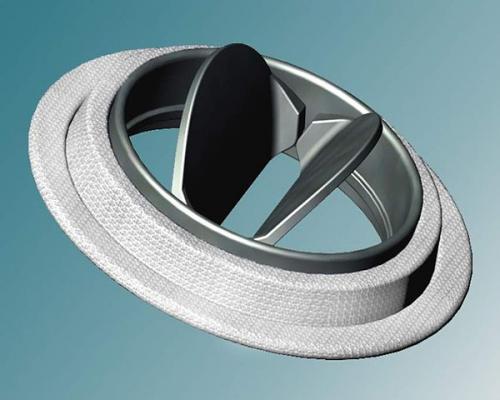
- Mechanical heart valve segment contributed toward the one of the
largest market share in 2015 owing to its increasing product longevity.
Moreover, they provide better hemodynamic efficiency. Since mechanical
valves are made up of strong durable materials, such as titanium and
carbon, they are preferred over other cardiac prosthetic devices.
- Transcatheter valve is expected to exhibit lucrative CAGR over the
forecast period. TAVR has shown improved patient survival rate as compared
to medical therapy. In the past years, it has evolved as a minimally
invasive alternative treatment for surgical valve replacement.
- Implantable pacemakers are one of the highest revenue generating
segments owing to their greater applicability pertaining to heart failure
(HF) and other cardiovascular diseases like stroke.
- North America contributed toward the largest market share of around
40.0% in 2015. This is primarily due to the fact that the number of
pacemaker implantations has increased amongst the Americans over the past
two decades. Moreover, companies are focusing on commercial availability
of technologically advanced devices in the U.S.
- Asia Pacific is anticipated to witness highest CAGR over the
forecast period owing to the growing geriatric population in Japan. In
2015, the geriatric population base accounted for around 27% in Japan.
- Some key companies in cardiac prosthetic devices market are
Medtronic, Inc.; St. Jude Medical, Inc.; Boston Scientific Corporation;
Edwards Lifesciences Corporation; Abbott Vascular; Siemens Healthcare
GmbH; and Sorin Group.
- New product development through introduction of advanced technology
and mergers & acquisitions are some of the key strategies adopted by
the companies to enhance the demand for cardiac prosthetic devices. For
instance, in 2015, St. Jude Medical and Thoratec, a company that
specializes in mechanical circulatory support technology for the treatment
of advanced HF, entered into a definitive agreement aiming at acquisition
of the outstanding shares of Thoratec.
Access
full research report on global cardiac prosthetic device market:
www.grandviewresearch.com/industry-analysis/cardiac-prosthetic-devices-market
Post Your Ad Here
Comments