british freshwater fish
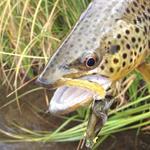
Many different people can enjoy experimenting with a new hobby like fishing! It allows you to spend time outdoors and can be a solitary event or one with which you create a trip. Read this british freshwater fish article for some great tips on how to become a great fisherman, despite past experience!
Use a sinker during colder months. They make the line heavy, causing the bait to sink down further in the warm water where the fish like to hang out when it is cold. The size of the sinkers on the line will dictate how low your line sinks.
You may want to add a scale to your list of fishing equipment. It is not foreseeable when you might catch a trophy fish, so always have a scale handy, especially if you prefer to release the fish after you catch them.
In order to catch bigger fish, you may want to try bigger bait. Larger bait is more expensive when you buy it, but it also might guarantee an equally sized catch. When you think about it, this makes perfect sense. Larger fish will, on average, tend to eat larger prey, and bait is meant to simulate prey.
Pay attention to the weather. Wait a few days after a storm or a cold front. If the water is cold, fishes will stay at the bottom and not look for food. Usually, the water starts warming up again two days after a cold front has passed through an area.
When you are fly fishing, choose a line that is matched to your rod no matter what size fish you are after. If your line and rod are mismatched, you will not be able to improve your casting skill. Quite often, if you are having trouble casting, it is because your line is too light for the action of your rod.
It is extremely important that you are aware of the type of fish you are attempting to catch and the bait that attracts them. One example is the fact that catfish enjoy uncooked chicken liver and bream fish like insects. If you fish with the wrong bait you are unlikely to catch anything.
Learn to like clouds. They make for good fishing. If the day is overcast, less light enters the water, and fish are forced to swim around more in search of food. They will likely be happy to grab the first bit of food that comes their way. Small towns often print information about local fishing conditions in the newspaper.
If you do not plan to keep the fish you caught, do not fight the fish when reeling him in. Many sudden movements that the fish makes while fighting can cause it to become injured. If reeling in the fish isn't an option then let it go, you don't want to risk harming or killing it.
A great fishing tip that novices and professionals alike can use is to always "feel" you line. Fish bites can often be as soft a small tick in the line and can easily go undetected by simply looking at your rod tip. Keeping a finger on your line will allow you to get a better feel of what is going on under water.
A little knot-tying knowledge will go a long way. Tying knots in your line not only ensures that the hook won't fall off when a fish bites, but will also assist you with quickly changing equipment, as needed. If you practice, you can tie knots quickly and change your equipment easily.
Fishing is a fun hobby for people that live by the water, or make a trip out to the beach, lake or pond for some quality fishing. Learning about the different fishing rods, bait, and other components can help you succeed. Remember these british freshwater fish names and breeding tips so you can start fishing today!
Advertise on APSense
This advertising space is available.
Post Your Ad Here
Post Your Ad Here
Comments